My Parents’ 45s

“Oh very young, what will you leave us this time

You’re only dancin’ on this earth for a short while

And though your dreams may toss and turn you now

They will vanish away like your dads best jeans”

                From “Oh Very Young” by Cat Stevens, on the LP Buddha and the Chocolate Box 1974

As you know, I have returned to blogging on a regular basis. So, what was I doing during my long absences over the past several years? I was touring with the Munchausen Theatre Orchestra, playing cow bell. Unfortunately, most of our performances were cancelled due to illness. As a result, venues quit booking us. I must admit that the presence of our conductor always gave me an ill feeling. He always told me I was sick. What a creep. In any event, I quit the Orchestra and am once again in tip top blogging shape. Even my cow bell no longer sounds sick.

I have some exciting news (well, exciting to me) about some acquisitions to my vinyl collection over the past several years that may lead many to question my sanity. Once you hear what they are, you may be saying to yourself “What’s all the fuss about?” or maybe “You are not joking, are you? Why would you want to collect that?”

Anyone who knows me well knows that I am obsessed with the records and tapes once owned by my parents. I inherited what was left of their collection when my mother passed away in 2008. At that point, the 45s that even still existed were in poor condition with many unplayable. The LPs and tapes had fared tremendously better.

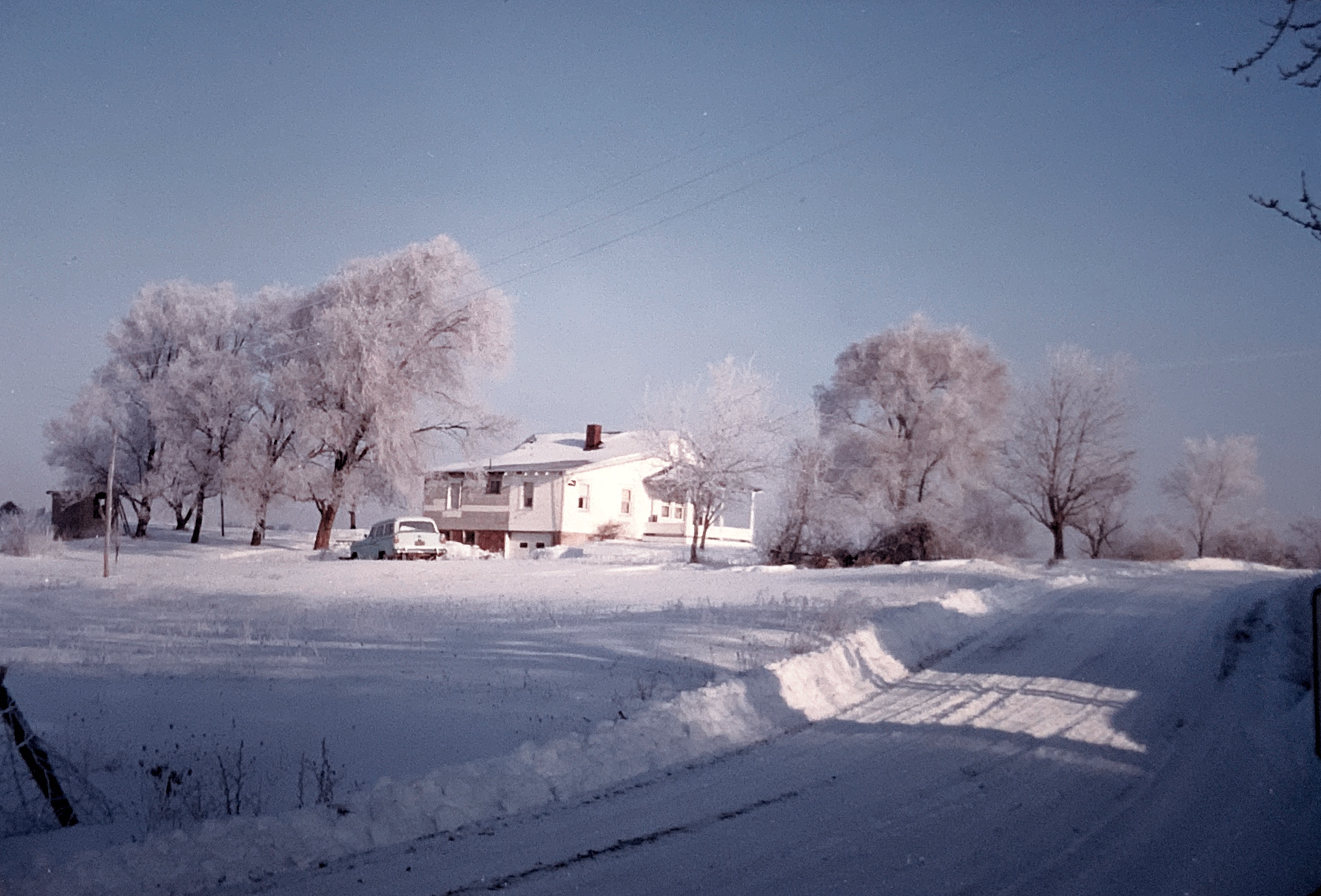
The Little House I Used to Live In
View of our neighbor’s house taken from our front porch

Living in the country surrounded by farmland with few families with children within a mile radius of our home, I often found myself home with my mother and nobody else. My siblings were all older and had married and moved by the time I was ten years old and spent little time at home when they were teens since they all had busy social lives. My dad worked two jobs and was gone nearly 80 hours per week until, when I was nine years old, he quit the railroad and just worked at the steel mill. I had a neighbor who was my age directly across the road, and we played together often, but still, I was often alone as well. Left to my own devices, and taking a liking to music from as far back as I can remember, I helped myself to my parents’ collection of 45s beginning around the age of three or maybe four, and that fascination with their 45s continued until they obtained a reel-to-reel tape player when I was ten years old and a phonograph that played LPs when I was 12. By the age of 12 I had become very conscientious regarding the care of music media. At that point I expanded my listening to their tapes and LPs, and I treated these new items much better than the singles they had let me play with when I was younger.

So when did this fascination with records begin? Well before all that, some time before or shortly after my birth my parents purchased a 45 rpm record player. Seven-inch singles were first issued in 1949, just four years before my birth. A family friend worked at the local RCA record plant and gave “reject singles” to my parents. Although called “rejects” there was nothing wrong with their sound; maybe the printed label was too light or dark in color, or torn before application to the record but the record would play fine. Also, sometimes a record that was part of a set of more 45s was the only record in the set that was not defective, leaving a “broken set”. So, the factory considered all these records just “throwaways” and gave them to the plant workers who wanted them. There were all sorts of recordings, from classical music to big band, and jazz from the 30s and 40s reissued on 45. There were performances from Broadway musicals, late 40s country western, 50s pop and early rock and roll. The RCA plant also manufactured records for different labels besides RCA Victor, such as Columbia, Decca and Capitol. My parents had a variety of records that had been given to them, plus they added to that collection with their own purchases. They also bought records for me and my siblings. Many of their purchases included knock-off discount records of the current hits in pop, plus rock singles for my sister and children’s records for my entertainment.

My brother’s high school graduation photo – note the record player atop the Farmsworth radio and the chair I used to play records
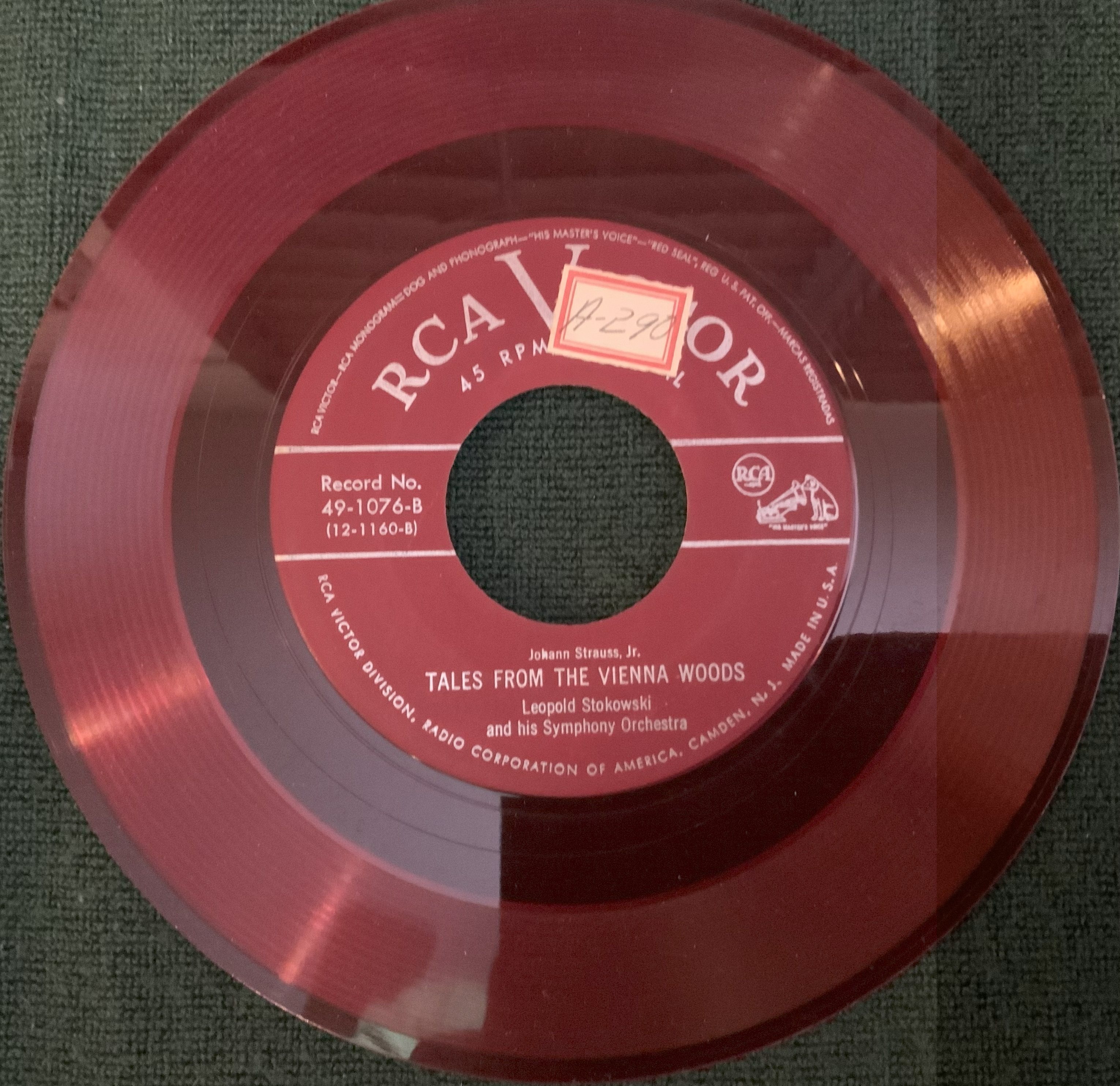
The last of the elusive recordings needed to complete my parents’ 45 collection

My parents had a 1937 Farmsworth radio that stood about four feet high in our living room. The record player sat on top of the radio and used the radio’s speaker since the player had no speaker of its own. The living room chair happened to be situated beside the radio and fortunately for me had a wide arm rest. As a preschooler I would climb and stand on the arm rest to be able to play the records. Being a preschooler I was very rough on them. One record in red vinyl especially caught my attention and my mom unfortunately caught me chewing the record leaving teeth marks. I was probably three years old at the time. I remember her taking it from me and she tried to play it but it skipped so badly it was unplayable and was presumably disposed of since I never saw it again. While recently talking to my brother who is 12 years my senior (pictured above) I learned what artist was on that record. Amazingly, he just happened to remember the record as being “Tales From the Vienna Woods”. With that information, I researched on Discogs for red vinyl, Red Seal RCA Victor recordings of this composition. I found it! It was backed by “Blue Danube” and was composed by Johann Strauss, Jr. and performed by Leopold Stokowski and his Symphony Orchestra (later reissues listed as The Philadelphia Orchestra), issued on 45 in 1949 in both black and red vinyl. I researched and found the record on eBay, in red vinyl and very good condition. It was very inexpensive, so I purchased it. I had often wondered about this record but just decided to ask my brother and now I have it without teeth marks. To be honest, it doesn’t bring back any memories of the musical content so I must have been about three years old, at most.

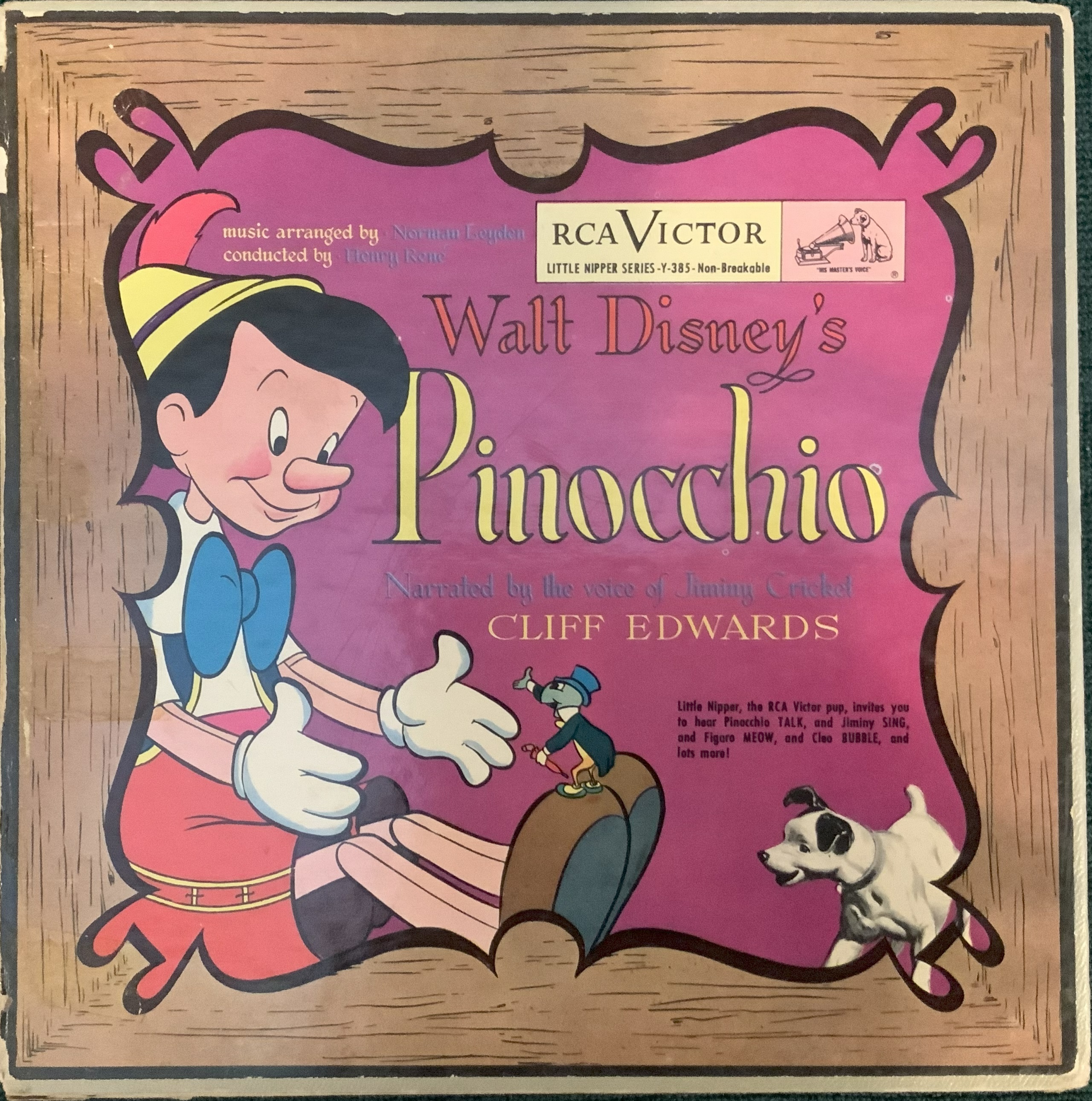
This is the cover of the Pinocchio record set. I do not remember my family having this cover.
One of the two records we had.

I remembered there was a yellow two-45 set of Pinocchio children’s records that I vaguely recall applying the same teeth treatment. They mysteriously disappeared when I was about four. I tracked down a nice quality set of this yellow double 45 several years ago. I was amazed at how I suddenly remembered so much of it when I played it – something I had not heard since I was four years old. I also noted that the red and yellow vinyl did not taste any different than the black vinyl records.

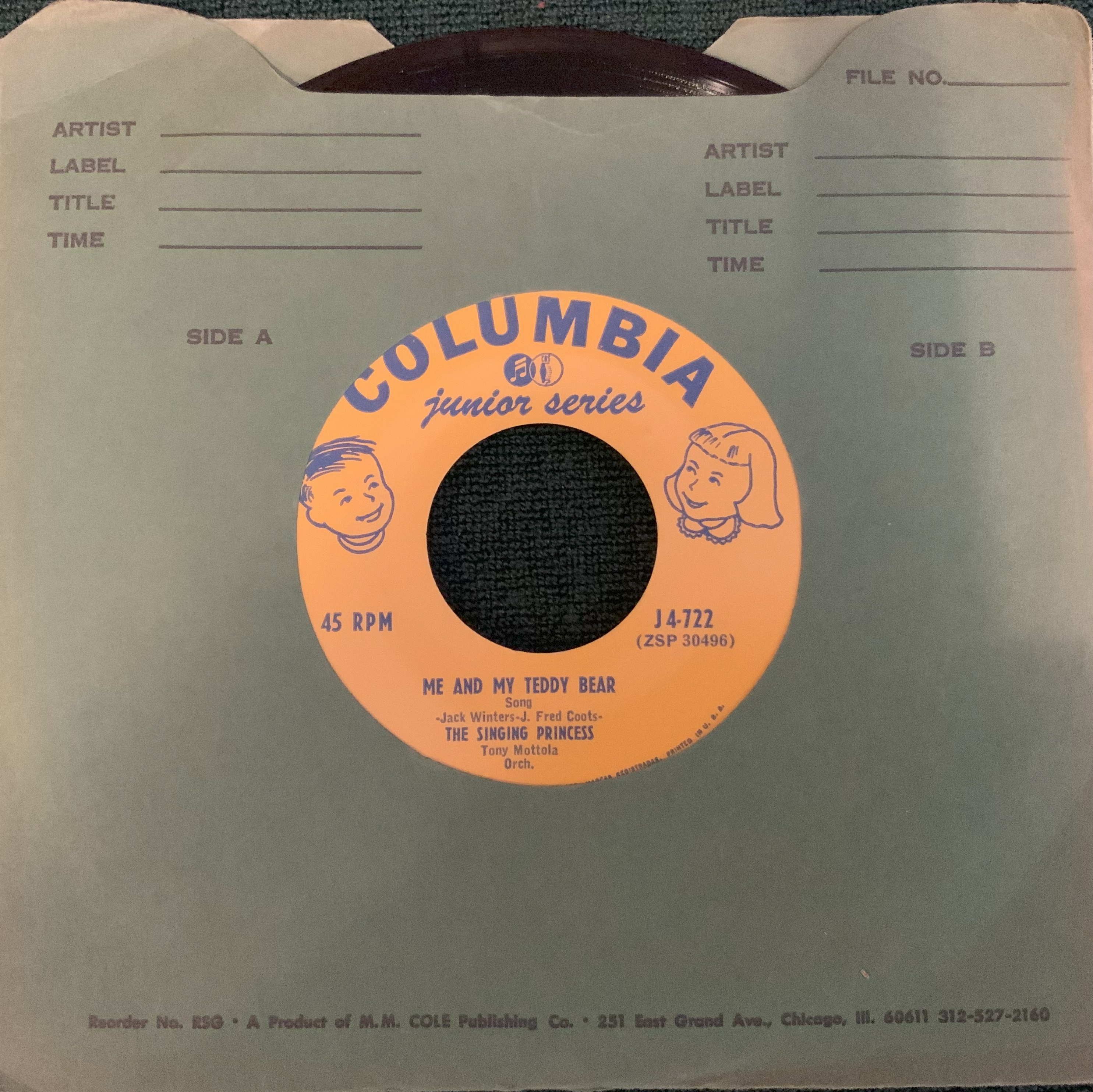
Another children’s record, by The Singing Princess, skipped due to a crack in the record as far back as I can recall, most likely due to my mistreatment. Well over a decade ago I found a near mint copy of this 45 on eBay at a very low price. I just had to have it.

The Singing Princess with Tony Mottola Orchestra. Here’s a useless factoid – Tony is a second cousin of music executive and former spouse of Mariah Carey, Tommy Mottola.

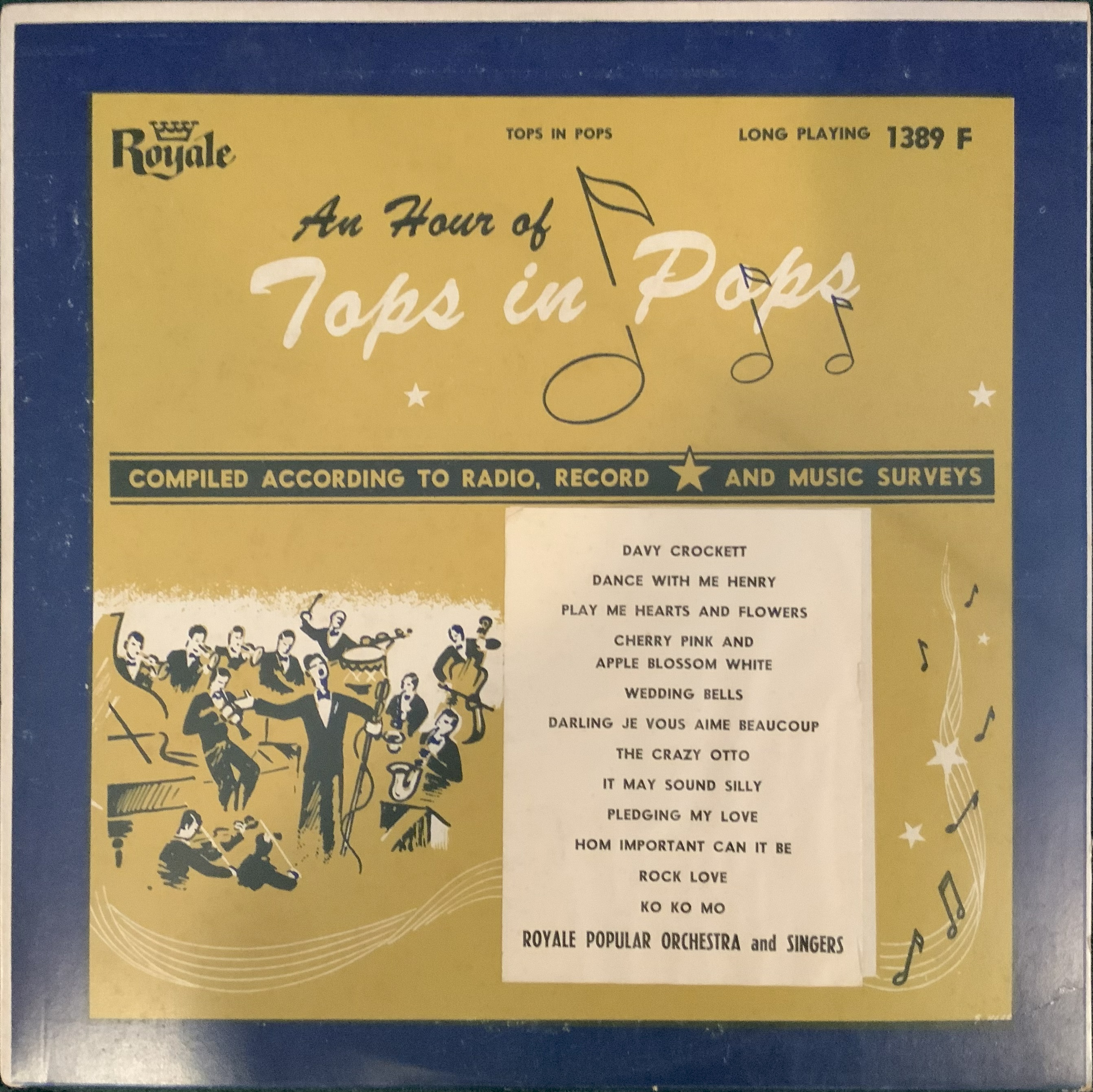
These are not the only records of my preschool misadventures. There was an Extended Play (EP) 7” 45 rpm record on the Royale label. Royale was a discount label that in the mid-50s would record artists-for-hire, under the name Royale Dance Orchestra and Singers (and similar iterations) and they would perform the hits of the day, attempting to sound as close as they could to the artists who made the songs popular. There were two songs on each side of the record. My parents had two of these Royale EPs, one being easy to find and the other quite rare. One such song that fascinated me happened to be on the rarer EP. It was a Perry Como hit titled “Ko Ko Mo” performed by this Royale group. Our player would not play the entire song because it was the second song on the side, and the grooves went too far into the center of the record so the automatic reject of the tone arm would occur before the end of the song. So here I was at the age of four, trying to force our record player to keep the needle on the record until the song finished. I was determined to hear the song’s ending and repeatedly played it several times. I remember my mom was lying on the living room sofa and said she had a headache and asked me to stop, but like any four-year-old on a mission, I didn’t. So, she came over to me, grabbed the record and smashed it. I would never hear it again… until last year. I found a copy on eBay after watching for it for over 20 years. It is on an LP by The Royale Popular Orchestra and Singers, titled “An Hour of Tops in Pops” that covered the entire “Royale Dance Party” record sets, containing all the songs on the two Royale EPs my parents had purchased in the 1950s; no more worries that the run-off groove would eject before the song’s end. This one was a bit more expensive than the red record but well worth it. It arrived in near mint condition, and it has now been digitized and added to the collection of songs from my parents’ collection.

The LP that contains the two Royale EPs owned by my parents.

When the red vinyl “Blue Danube” 45 arrived I had finally gathered all the recordings I remember that my parents owned, including those that had been lost or broken over the past 70 years. Since I had ruined so many of their 45s, I sought out better quality copies or CDs with those exact recordings. I now have them all in the best audio quality available and have digitized all of them, then transferred to CDr. My parents had several 7” records, so the collection filled five 80-minute CDrs which I can now play in our surround sound system.

I began this mission well before the passing of both my parents. My original intention was to burn them and give a copy to them to enjoy revisiting what they listened to in the 1950s. Thankfully I did give them what I had gathered by 2002, which was most of the recordings. However, it took me until 2024 to complete the quest; 16 years since the passing of mom and 20 years after dad’s passing.

During this process I realized it brought me as many fond memories and so I continued until I obtained all of them. When I had nothing else to do or no-one else to play with or talk to in my earliest years, those records were my friends. They also taught me to appreciate music in ways I am still learning to understand. Thanks both to the varied collection of record plant rejects as well as the diverse 45s bought by my parents in the 50s and early 60s, there was a variety of musical styles. Perhaps this is a major reason I enjoy every genre of music to this day.

Updates Again?

Well yes. It was late last night and one item I wanted to include slipped my mind, fell on the floor, and was under my foot where I did not see it until this morning. Besides, I wanted to make some clarifications to something I posted on Facebook yesterday regarding politics and religion. But first, the update.

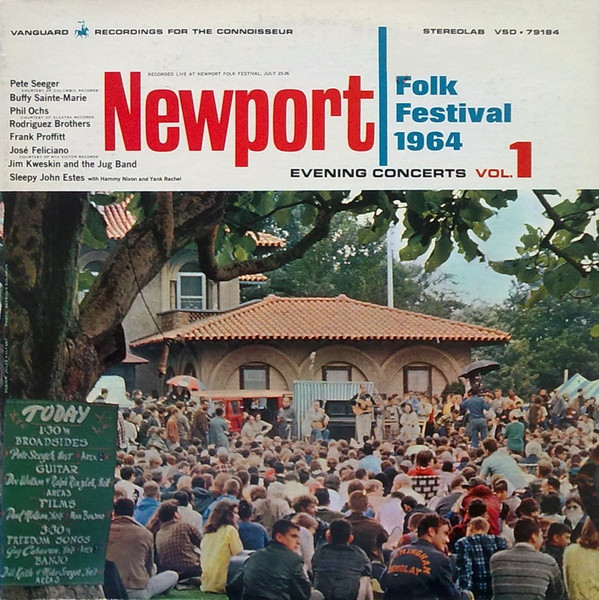
Newport Folk Festival 1964, Evening Concerts, Volume 1

Going back to Fresh of Breath Air II, there was a section discussing the beginnings of Jim Kweskin and the Jug Band, including Mel Lyman and the proliferation of various hallucinogens in the New England folk scene in the early ’60s. I recall a psychedelic time line that was posted by Patrick Lundborg on one of his many Websites, and also included in the back of the second edition of The Acid Archives, indicating that there were no recordings found that support the use of hallucinogens among the folk community in New England in the early 60s. Well, I found one on the Newport Folk Festival recordings from 1964, specifically Volume 1 released in early 1965. The LP includes Jim Kweskin and the Jug Band, and on, “My Gal,” the last song of their set included on that LP the evidence appears shortly after the first minute of the song: “…but my gal gets high by eatin’ peyote… .” On the recording, at the close of the song the Jug Band received enthusiastic applause. There were no “boos” like there were a year later when Dylan went electric. Funny what gets people riled-up.

A clarification:

Now when I posted on Facebook that this was a music blog, and not a blog about politics or religion, I meant what I said. But then you may see that I have an entire post dedicated to Christian rock, with more to come.

Q: Isn’t this a religious post?

A: No. It is discussing historic facts. And those facts include religion. I’m not proselytizing nor condemning. I am stating what went down. You will note that I have posted about Ram Dass, who was a Jewish gay man named Richard Alpert who spent years in India and returned as Ram Dass, who came up with a different take on the mixing of Hinduism, Buddhism, Christianity, and Judaism in his teachings. To discuss only his drug involvement would be missing the point. The impact of Eastern Religions on 60s music cannot be ignored. Nor can the impact of Christianity. It is what it is.

Q: Aren’t you promoting Christian music when you speak highly of Christian recording artists?

A: Absolutely not! If someone is a great guitarist it doesn’t matter what their religion is. And, in Patrick Lundborg’s book The Acid Archives there are many Christian albums listed, not because of the Christian message in these albums, but because they are representative of a particular rock style, or psychedelic trappings, weirdness, or due to rarity and their collectible nature. I simply “follow the facts, wherever they lead.”

Q: Well, what about politics. Aren’t you getting political when you talk about the Vietnam War or Civil Rights?

A: Again, no! I go back to what I said about Christian rock. The Vietnam War happened. The Civil Rights movement happened. Songs were written about protesting against the war and for civil rights. Many of these songs are deeply rooted in the rock ethic, from which later sprang punk, metal, rap/hip hop, and alternative rock. I may as well not write anything if I cannot address the sociopolitical issues of the day and how they impacted the songwriters and performers and how such performances impacted social change.

So, now I have that off my chest I will look forward to creating my next post. The Popeswami has spoken.

See you later.

Once Again, the Popeswami Returns

If you are a Facebook friend, you likely read my post saying I would soon be returning to the blogosphere. So, I’ve decided to keep my promise this time, and will attempt to be more regular in my posts. Perhaps if I keep them shorter it will be easier for me to do.

This is not a placeholder for a later, more informative post. I am going to do a bit of updating on a previous post. Specifically, it is my post of June 30, 2020, titled “A Fresh of Breath Air II.”  In that post I had made a distinction between those albums I own and those I do not. Well, time has changed that. I am happy to report that the following are now in my collection, in CD format:

Jim Kweskin and The Jug Band – Jug Band Music.

Jim Kweskin and The Jug Band – See Reverse Side for Title.

I was extremely fortunate to obtain the outrageously rare “Excerpts from The Acid Test” that was issued in 1966 on a seven inch 33 1/3 rpm record. It is in near mint condition, still in the brown paper sleeve that had some folds but was not torn. The seller told me he attended an acid test sometime in 1966 and Ken Kesey was handing them out. It is marked “For Radio Play Only. Not For Sale,” so I presume they had distributed them to all the radio stations they had planned and had some left over. I got it at a ridiculously low price. In addition, the seller sent a series of emails giving me information about other era happenings and details about the acid tests I would otherwise have never known, including a few photos. I discovered when playing this record that it is groove-locked, meaning you must pick up the needle at the end of one track and manually place it in the groove for the next track. It is a quite tedious process and makes it difficult to digitize without making mistakes. After several attempts at burning this to CDr, I had to rip the best CDr tracks I made to my PC and then edit out the mistakes to get a clean copy. I now have a flawless CDr of this rare item.

Neal Cassady Raps – I now have this seven-inch flexi disc burned to CDr.

In my June 23, 2020 post “Like a Fresh of Breath Air” I have one addition regarding the recordings of British philosopher and author, Gerald Heard. For some reason during the pandemic I began to see several copies of all the Gerald Heard vinyl releases from the late 1950s and early 1960s listed on eBay and Discogs. The first three LPs were listed individually while the second three LP set was listed both individually and in a box set. Long story short, I was able to obtain all three LPs from the first box set, plus the complete second box set all in near mint condition at very low prices. I have digitized and burned all to CDr.

Next time I will finish my post on the origins Christian rock in the United States. I discussed the United Kingdom origins of Christian rock in my post of June 3, 2023. I should be able to to accomplish this in one post. Then I will get back to the Breath of Fresh Air posts which may have to be done in several posts.

No photos this time, but next time for sure.

Music of Faith and Rhythm

Life was filled with guns and war

And all of us got trampled on the floor

I wish we’d all been ready

Children died the days grew cold

A piece of bread could buy a bag of gold

I wish we’d all been ready

Larry Norman “I Wish We’d All Been Ready” from the LP Upon This Rock, 1969

Music is a form of human expression. It reflects every part of our lives. There are love songs, break-up songs, patriotic songs, happy songs, sad songs… songs about every human experience and concern. It only makes sense that music would be used for spiritual or religious expression. In the US every music genre has been influenced in one way or another by the Christian faith. However, in the rock ‘n’ roll genre, that influence had a very rocky start. I have always been fascinated by music that stirs controversy. The convergence of rock music and the Christian faith has been one such point of contention that has interested me over the years.

Many believe that Larry Norman was the father of Christian rock, or “Jesus music” as it was called in the early 70s. However, just as the first automobile was not a Ford, although that is what I was taught in school, things were also a bit more complicated in the origins of Christian rock. Not to take anything away from Larry Norman’s contributions, but there are many more pioneers in both the US and the UK who should be given credit, without whom Larry’s contributions would not have been possible.

This is going to be a two-part series with a focus on the US and the UK. I am including Canadian artists when I discuss US artists, although there were significantly fewer Canadian Christian rock artists in the early days. Note that I am not ignoring Christian rock in other countries. There were Christian rock artists in many other places from Germany to Singapore (probably not so much in North Korea). However, they had no effect on what was happening in the US and I have not learned of many existing before the early 70s. I also do not know if they faced all the opposition that artists faced in the US. Therefore, the focus is where it eventually flourished and that is in the US and to a lesser extent in the UK. The period of this focus is the 60s and early 70s. The first part deals with the foundations of rock in juxtaposition with Christianity, and then discusses the earliest Christian rock recordings from the UK. The second part, to be posted later, will deal with my primary focus, the earliest US artists during that period and beyond. The reason I am discussing the UK artists first, is that the merger of Christianity and rock began earlier in the UK, and this may have provided a blueprint for some early Christian artists in the US. So, a-way we go!

1950s Rock ‘n’ Roll and the Church

Rock ‘n’ roll originated mostly from a mix of rhythm & blues (r&b), country, and folk. Christianity was elemental in the origins of these genres. Many r&b artists started out in the church. Guitarist and vocalist Sister Rosetta Tharpe came from a Gospel music background before expanding her talents in the late 1930s to include secular r&b and jazz; she has even been considered by many to be the earliest rock ‘n’ roll performer.

As for folk music, the more serious compositions applied Biblical moral principles to populist and anti-war themes without becoming religious. In the 1950s folk artists such as Woodie Guthrie, Pete Seeger, and The Weavers faced investigations by J. Edgar Hoover’s FBI and Senator Joe McCarthy for evidence of Communist and other anti-American affiliations despite the Biblical references in their songs.

In the late 50s it seemed obligatory for the most popular early rockers to record a Gospel album or single. So, Elvis Presley recorded the album Peace in the Valley in 1957, totally devoid of rock ’n’ roll. In 1959 Johnny Cash recorded the album Hymns by Johnny Cash. There were others as well but none of these recordings combined a Christian message with rock music. Indeed, these recordings were used to validate people like Presley and Cash as being really good guys, and that rock ‘n’ roll was merely a fad that would soon revert back to more acceptable music.

In the 50s and early 60s combining a Christian message with rock music would have been unheard of in America.  Apart from Black churches where Gospel music was often performed in a rhythm and blues style, many churches, especially the more fundamentalist and evangelical White churches, continued to preach that rock rhythms and wild dancing contributed to the corruption of America’s youth. It was, after all, the music of the devil. Note that Elvis’ third appearance on The Ed Sullivan Show on January 6, 1957, almost didn’t happen because TV censors refused to let the show air unless they only filmed Elvis from the waist up to avoid the audience seeing his evil hip shaking. Mind you, he had appeared on The Ed Sullivan Show twice before, going back to the first time on September 9, 1956, without any censorship of his gyrations. In fact, his supposed vulgar moves had been seen on TV before his Ed Sullivan appearances when he performed on The Steve Allen Show, the Dorsey Brothers’ Stage Show, and The Milton Berle Show with no objections.

Enter the 60s

But then came the beginnings of the Vietnam war and the increasing demands from the civil rights movement, followed by the assassination of President Kennedy. And then there was the British invasion, with the arrival of The Beatles, The Rolling Stones, The Kinks, and numerous other bands introducing America’s youth to a more energized rock ‘n’ roll sound. Under President Johnson, the Vietnam war escalated. The war became the leading topic of the nightly news; each night we learned of more losses of American soldiers’ lives, many of whom had not willfully enlisted.

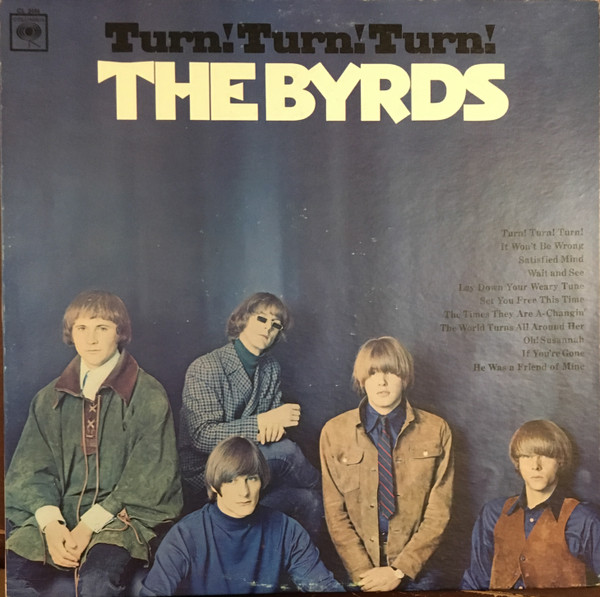
Folk music had always been a vehicle for commentary on our social ills. Pete Seeger’s 1955 song “Where Have All the Flowers Gone?” was revived by The Kingston Trio in 1961 and by Peter, Paul, and Mary in 1962. Bob Dylan recorded “Blowin’ in the Wind” in 1962 and “Masters of War” in 1963. The Vietnam war coupled with the civil rights movement supplied folk singers the material for more songs, often citing Biblical references to support their concerns. Many of these songs received radio play, reaching the Billboard charts…and America’s youth, especially draft-age young adults, were listening and taking notes. With songs like “The Times They Are a-Changin’” in 1964, Dylan was becoming a prophetic folk hero. Then Dylan went electric in his famed 1965 performance at the Newport Folk Festival. It wasn’t long before folk-rock groups like The Byrds were following Dylan’s lead. In 1965 they made Dylan’s “Mr. Tambourine Man” into a folk-rock hit. In their late 1965 hit “Turn, Turn, Turn,” they repeated the formula. The lyrics for “Turn, Turn, Turn” were from the Book of Ecclesiastes 3:1-8, and had been transformed into a folk song by Pete Seeger in 1959. The song became the title track to their next album, released in December 1965. Folk singers like Pete Seeger, Bob Dylan, Joan Baez, Phil Ochs, and Peter, Paul, and Mary were highly influential in the development of folk-rock of the mid- and late-60s. But the focus of these songs, although often invoking Biblical references, was not evangelical or even liturgical; it was about protest against social injustice and war.

Of course, there continued to be a wilder side of rock. Contrast The Byrds’ “Turn, Turn, Turn” with The Rolling Stones’ “Let’s Spend the Night Together” and The Kinks’ “All Day and All of the Night.” These songs and others like them provided justification for the church to proclaim that rock was indeed the devil’s music. Of course, it did not help when in March 1966, John Lennon said in an interview for the London Evening Standard, later reported in the American teen magazine Datebook  “Christianity will go. It will vanish and shrink. I needn’t argue about that. I’m right and I’ll be proved right. We’re more popular than Jesus now. I don’t know which will go first, rock ‘n’ roll or Christianity. Jesus was all right but his disciples were thick and ordinary. It’s them twisting it that ruins it for me.” After hearing about this, Birmingham, Alabama DJs Doug Layton and Tommy Charles of WAQY initiated a “Beatle Boycott”. Lennon apologized and tried to walk it back saying his statement was misunderstood, but the damage was done. Many churches, especially in America’s South, had public burnings of The Beatles’ records. If the church-going public was not already against rock ‘n’ roll, now they were.

God is Dead

It is also important to see how young people began to view the church. Although the concepts contained in the phrase “God is dead” had been with us since the 17th century, in the late 1950s and early 60s it began to be discussed more frequently outside academia. Jazz and folk lyricists as well as beat poets wrote about the apathy of the church toward racism, exploitative capitalism, the cold war, and an unending arms race. Many teenagers and young adults were questioning the relevance of God and the church while the fear of nuclear annihilation loomed over them, reinforced by “duck and cover” drills in grade schools. A common question among the youth was “if God was real, how could all this be happening?”

The mainline Christian denominations in both the US and the UK were concerned with the alarming number of young people leaving the church but they did not know how to get them back. Insisting that youth meet the church on the church’s terms only perpetuated the problem. Rock ‘n’ roll allowed young people to escape from an uncertain future. But adults, especially church-attending adults, often saw rock ‘n’ roll as being part of the problem. The youth saw church attendance as looking for solutions in the wrong place.

As the beatnik era evolved into the hippie culture, many more changes were happening in the world of high school and college age young people. A fascination with Eastern philosophies, religions, and music began to grow. Experimentation with marijuana and hallucinogenic drugs became common. New clothing designs and longer hair for both males and females separated them in appearance from older adults. The generation that had entered adulthood during World War II did not understand the youth culture and were hyper-critical. The generation gap was widening. By the mid-60s adults over 30 were considered “The Establishment” and not to be trusted.

Early Beginnings in the UK

The UK was the first to respond to the growing disillusionment of youth by incorporating Christian lyrics into music for the youth. A compilation album, only released on reel-to-reel tape from Cathedral Recordings Limited in London, titled Showers of Blessing, presented Christian songs performed by The Pioneers, The Couriers, The Cobblers, American Teen Team Quartet and others. Some of the artists were from the US, in a Youth for Christ US/UK music exchange of both artists and evangelists. This commercially sold tape collects songs recorded from 1961-1965 that were precursors to Christian rock music. The style varies by artist but is largely standard folk with acoustic guitar, or vocal quartet accompanied by organ or piano. Only one, The Pioneers’ song “Then I Found the Lord”, uses drums (just brushes on a snare) but is still in a pop vocal quartet style. None comes close to rock. Yet these were evidently geared toward unchurched youth in the UK to bring them into the fold. Apparently, it didn’t work very well, and more drastic measures were needed, like using an actual rock band to deliver the message.

So, the next attempt was to form bands performing music with a Christian message in styles popularized by The Beatles, The Who, and other rock heroes. These artists often had less musical ability, weak lyrics on original songs and were more subdued than the popular bands. Members were often culled from church youth groups. To be fair, some were very professional in sound and could rock out with the best of them, but that was the exception and not the rule. Their purpose was to get the youth back into the church by making the Gospel message more relevant to their daily lives. Organizations like Youth for Christ (YFC) were instrumental in these efforts. However, these bands were seldom permitted to become part of the worship service; live performance was relegated to secular locations such as coffee bars and college campuses where youth gathered.

The very first attempt to merge Christianity and rock ‘n’ roll was a musical drama about the life and death of Christ titled A Man Dies, which was a passion play recorded in 1961 and released as an LP on Columbia Records in the UK in 1964. The drama places Christ in modern times to bring relevance to the message for youth who had strayed from the church. It appeared on A.B.C. Television in the UK in 1961. There were five performances of this play from 1961 through a performance at the Royal Albert Hall in 1964. The performers were “the Boys and Girls of St. James’ Presbyterian Church, Lockleaze, Bristol” featuring Valerie Mountain and Ricky Forde on vocals with arock band named The Strangers. The drama was written by organist Ewan Hooper and Reverend Ernest Marvin, both of the Lockleaze church. It appears that this was written in 1960 and performed at Easter at the church each year. A single from the drama “Go It Alone” backed with “Gentle Christ” and credited to Valerie Mountain was released in 1961 making that single the very first commercially released recording of Christian rock. It appears that The Strangers was the backup band for Ricky Forde, but I cannot find anything about The Strangers playing or recording anything except what is heard on this album and single. The Strangers perform here in a Mersey/beat rock style. Note that in 1964 Columbia also distributed this LP in Australia! Keep in mind that this church performance was unique as most all other churches in the UK resisted having rock bands perform in the church, but then again, most churches did not have pastors who wrote rock-oriented passion plays. One might wonder if Andrew Lloyd Webber and Tim Rice had been influenced by this recording when they created their rock opera, Jesus Christ Superstar in 1970.

In 1964 The Joystrings (aka Joy Strings) released their first single “It’s an Open Secret” backed with (b/w) “We’re Going to Set the World a Singing” and followed with three more singles that year, two more singles and three EPs in 1965, several singles and EPs in 1966, and Christmas LPs in 1966 and 67. The band consisted of four men and one woman with a variety of sounds reminiscent of The Beatles on their pre-psychedelic albums. Their music improved in quality over time to become one of the more polished UK bands performing Christian rock in the 60s. They were part of the youth outreach of the Salvation Army. Formed in 1963, they lasted until 1969 when they disbanded. Their records were also distributed in the US.

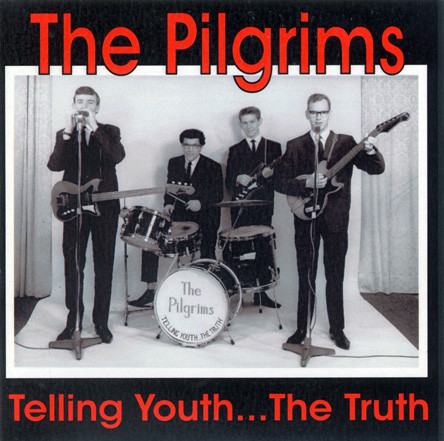
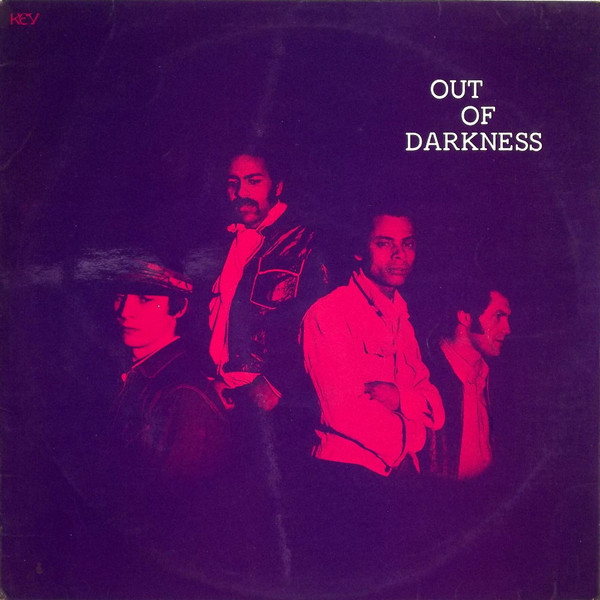
The Pilgrims had a single in 1964, “Heaven’s the Place for Me” b/w “Think of God’s Love.” In 1966 they had another single and went on to record several more that were released on CD in the early 2000s. They were a beat group with a gritty garage sound and in 1970 evolved into the more well-known Christian rock group, Out of Darkness, with an even heavier sound.

The Peacemakers released a single “Some Folks Search for Peace” b/w “Don’t You Know” in 1964. There was another single later that year. These are a bit crude and a little more folk than beat in style, but their self-titled EP in 1965, followed by a self-titled LP in 1967 are fully garage/beat records and show much improvement in musicianship. Their guitarist/vocalist, Justyn Rees, moved to New York and went solo in 1969, still in the Christian rock genre.

The Envoys, another Gospel beat group, released a single, “Nobody Like…” b/w “Door,” in 1965 with an EP in 1967. Patterning their sound after The Hollies and other UK hit makers, their energized sound consisted of the standard electric rhythm and lead guitars, electric bass, and drums with male vocals and two female backing vocals.

The Chordials was yet another early beat/pop band with a 1965 single “Walking in the Shadow” b/w “He Is the Answer”. Later, in 1969, they released their only album, Topsy Turvy. The album is a bit over-the-top, getting wild with fuzz guitars at times and with vocal harmonies reminiscent of Vanilla Fudge.

The Crossbeats had two singles in 1965, the first being “If Only” b/w “He Wants to Know” and the second “I Know” b/w “He Waits”. They were one of the very few UK Christian beat-rock bands to tour the US. They played at a variety of venues in the UK. Like The Joystrings, they formed in 1963. While their final recordings were released in 1967, including the album Crazy, Mixed-Up Generation, they continued to perform into the mid-70s.

The Proclaimers were from Wales, releasing two EPs in 1965, The Gospel Train and Messages with a Lilt, and two EPs in 1966, both titled The Proclaimers. Their sound was more folk/skiffle acoustic with some electric guitar. They were an eight-piece group, both male and female members and in their two short recording years there were many personnel changes.

Beginning in 1966 several more UK bands began to get on the Christian beat music bandwagon. To give you an example I have compiled a list gleaned from various Internet sources and the Archivist book by Ken Scott. The list only has artists from 1966 to 1971. Unlike the US, the number of new artists recording Christian rock music in the UK seemed to diminish throughout the 70s.

The Cobblers – EP, 1966

The ConcordsSoul Purpose, 1966; A Turn for the Better, 1967

The Liverpool RaidersBig Story EP, 1966

The RevellersThe Revellers, 1966; The Revellers Again, 1967; Shout and Sing, 1969; Go Tell It, 1970

The Witnesses – EP, 1966

The Fishermen Amen, 1967

Pauline FilbyMy World, 1968

Gerry McClellandSouth Wind and Spices,1968; Echoes Surround Me, 1970

The Forerunners The Forerunners, 1968; Running Back, 1970; Genuine Imitation Life, 1971; Prepare the Way for Jesus, 1974

The HarvestersThe Harvesters, 1968

Peter Smith & The Kinfolk Faith, Folk and Clarity, 1968

The PebblesThe Pebbles, 1968

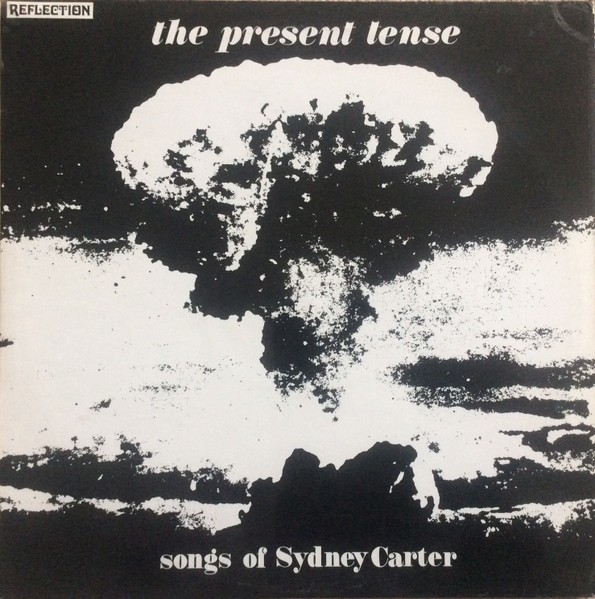
ReflectionThe Present Tense, 1968; Beaumont Meets Reflection, 1970; Reflection on Hymns of Our Time, 1971; Nativity, 1971

Roger & JanMovin’ Over – Movin’ On, 1969; Question, 1974

The SowersSeeds, 1969

Justyn ReesHow Can I Tell Them, 1969 (recorded in the US)

Harvey’s People Loving & Living, 1969

The Overcomers – EP, 1969

The Messengers of the CrossThe Messengers of the Cross, 1969

Peter LewisSing Life, Sing Love, 1969; Give Yourselves to Me, 1971

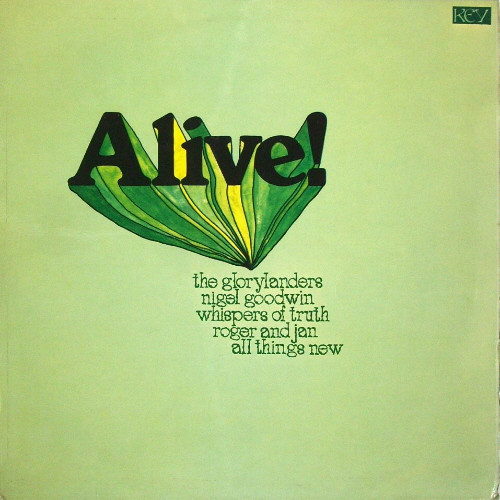
Glorylanders Volume One, 1969; Volume Two, 1971; About Time, 1973

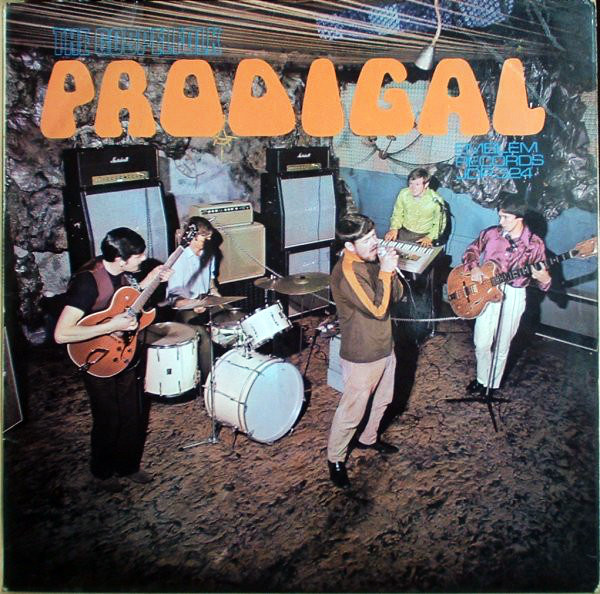
The GospelfolkProdigal, 1969

Alive! – Various Artists, 1969

Dana Scott and The Crown Folk Folk in Worship, 1969

Cambridge Twentieth Century Church Light Music Group A Folk Passion, 1969

Sound Vision in Concert – Various Artists 1970

The Kingfishers It’s Real, 1970

Out of Darkness Out of Darkness, 1970

Judy MacKenzieJudy, 1970; Peace and Love and Freedom, 1971

The SharonsSomeone to Turn To, 1970

The FoursomeUpside Down, 1970

Peter Smith & The JohnsonsFaith, Folk and Nativity, 1970

Peter Smith with The Common RoundFaith, Folk and Festivity, 1971

BridgesBridges, 1971

The Way Rhythm GroupThe Way Rhythm Group, 1971

I have a few of these, as pictured.

UK Christian rock artists in the 1970s had little influence on the US artists. In the US the genre known as “Jesus music” was becoming more refined and commercialized, and by the 1980s it had evolved into Contemporary Christian Music (CCM), with very few artists from outside the US. CCM is a broad category of music covering all genres but mostly country, popular (Adult Contemporary), r&b/soul, metal, and rap, but it is a dying music category. I will discuss this in the next post, which will concentrate on the earliest bands recording Christian rock in the US and how things are different today, and why.

Returning FerReals and Dedication

Here it is, Earth Day 2023. Here it is, Dystopia 2023. When you look around and see what is happening sometimes you just want to cry. We are pushed each day in so many directions. Do we “stick our heads into the sand, just preachin’ that all is grand, and hope that everything turns out okay”? or do we speak out, or turn inward, or put on our tunnel vision glasses? What do we do?

There is nothing like a major life event, whether it be in your own life or in a loved one’s life, to shake you up and reevaluate what is important. As I look back in time, what has proven to be important keeps shifting like the mental shape shifters we all are.

I began to get away from my writing here shortly before the COVID-19 pandemic hit. I was working, making money and had little time for much else as I threw myself into work, spending many days away from home and many hours of overtime. With the pandemic came major changes. I began working from home as travel pre-vaccine could be lethal. There were some brave souls who continued but with my age and health situation I could not afford to do so. I lost my sister during the summer of 2020. I almost lost my oldest brother, his wife, and his oldest son to COVID in January 2021. Two long time family friends did lose their lives due to their trust in lies about the virus, as did a prominent member of my high school graduating class. Additionally I lost my sister-in-law (the one mentioned above) to cancer in December 2022.

In March 2020. after returning from a work engagement in New York City I became very ill with respiratory symptoms. I checked with my medical HMO and they said it did not sound like COVID but tests were limited and therefore I could not be tested. Later I understood that the symptoms I had could very well have been evidence of COVID but at that point in time the world medical community did not know enough to say for sure. But after recovering from the worst flu symptoms I have ever experienced in March, 2020, I began to have symptoms of significant weakness and occasional chest pains that would come and go.

Thankfully in February 2021 we were able to receive our first Moderna vaccines with the second in March. I discussed with my pulmonary specialist the chest pain I had been experiencing, especially when driving to higher elevations at Mt. Laguna. With telephone medical visits in April they sent me a heart collar to wear for several days and send back. It revealed that my heart stopped a couple times for just a second or two but it was significant enough to necessitate an emergency surgery to implant a pacemaker in my chest in late April. While the surgery is simple enough, this was a physical and mental life changing event for me. I can no longer look under the hood of the car when it is running. I have to go through a security screening at airports and other offices using electronic screening in a way different from others. I can no longer operate an amateur radio nor a radiotelephone device so I have let my amateur and radiotelephone licenses lapse. And, mentally this has taken it’s toll on someone who enjoyed hiking and at one time bicycled across Wisconsin – from Kenosha to La Cross and back.

Due to the pandemic, conducting trainings via Webcast instead of face-to-face, I was doing more sitting than standing. I fell at home injuring my right knee in May, 2020 and could not get in to see a doctor for nearly 2 years. Finally as things began to open up, I was able to get into physical therapy in early 2022. With that and the help of a masterful masseuse I am now rid of the pain I experienced when I walk. However lately I have begun to have severe pain on the other side which sent me to the ER just over a week ago with spasms so severe I could not walk, sit or stand without severe pain. That is subsiding now, but it all points to my physical limitations.

I only traveled for work twice in 2021. I traveled three times in 2022 and one was a state conference in February that year. The mask orders were still in effect except where I presented at a state conference in a Southern state. Nobody was masked except me and one other presenter from another company. A week after I returned home I was diagnosed with COVID despite keeping up all my booster vaccines. Extreme weakness was the result with minor respiratory symptoms.

I have only been to a few music events since the pandemic. None in 2020. A couple outdoor events in 2021 and 2022. I did attend the Adams Avenue street fair in 2022 but did not make a day of it due to painfull walking for both me and my wife. So while I will be discussing music events locally here as I begin to use this blog more and Facebook less for reporting on such events, I will be discussing my music collection more.

Dane Terry

So here it is April, 2023. Two very tragic events have already occurred locally. First, I lost a friend in February – one of the best harmonica players I’ve ever met, Dane Terry. Dane was in two different groups locally – Cadillac Wreckers, which was a jump blues band, and Plow, which is an old-time and bluegrass band. Dane was on his way to work one morning in February on his motorcycle. A driver ran a red light, striking and killing Dane. I did not hear the news until a couple days later when the leader of Plow, Chris Clarke, reported it on Facebook. It stunned me. My last conversation with Dane was in January when he and I were talking about how we never know when we will be taken from this life, so make each day count. There was a memorial for Dane at Heroes Wood-Fired Pizza in Wynola, coordinated by Chris Clarke with both Plow members and Dana Duplan of Cadillac Wreckers performing, and some of us told some stories about our time with Dane over the years. It was very moving.

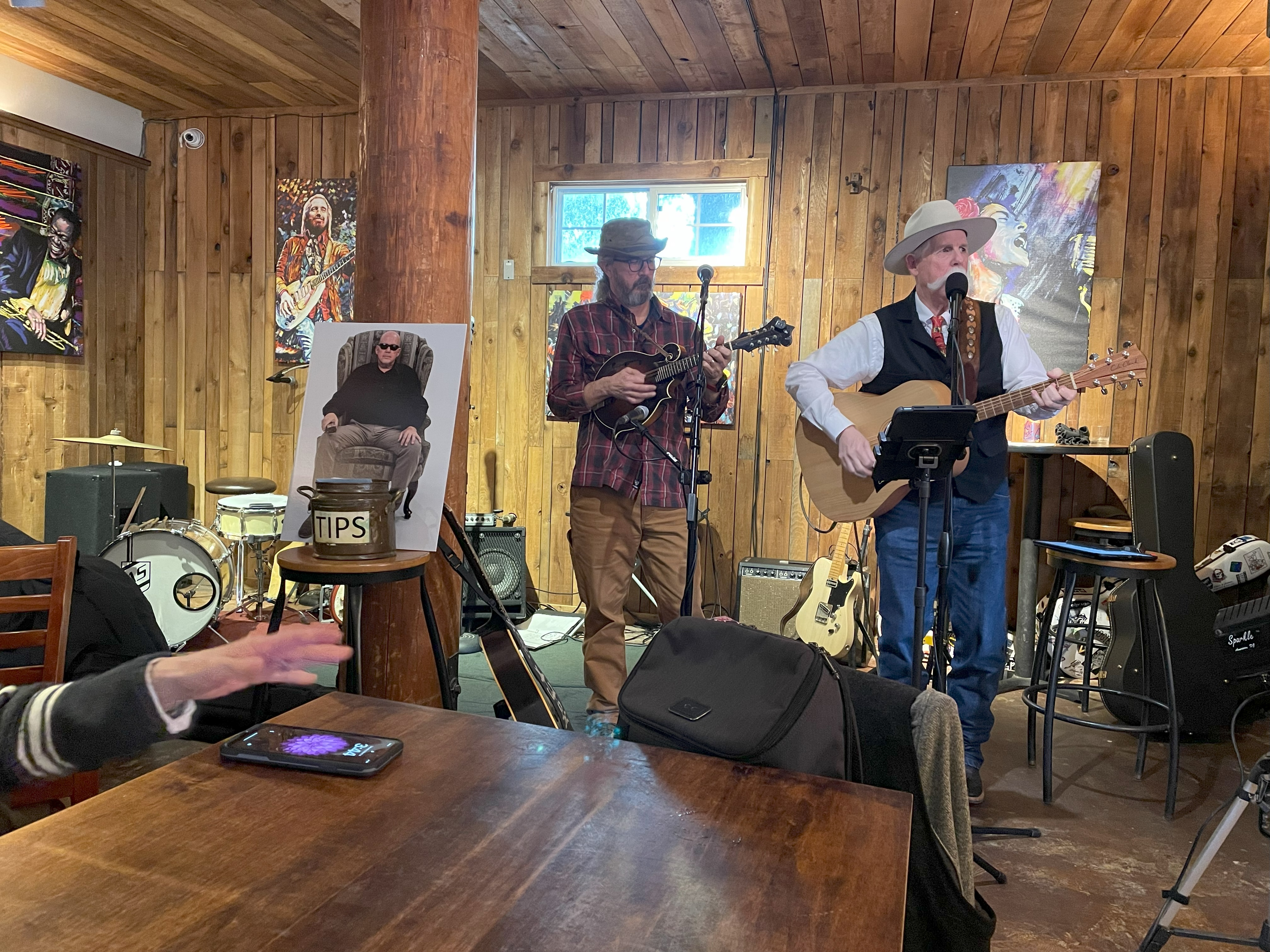
Dane Terry in the photo by tip jar, Chris Clarke mandolin, Dana Duplan guitar

Jamie Shadowlight

The other tragic event was reading a Facebook post from our dear friend and phenomenal violinist and human, Jamie Shadowlight, who was writing from the hospital in what sounded very desperate. I had no idea what was happening but could not do anything at that time due to my own severe pain and limited movement. I so badly wanted to visit her in the hospital. Then her friend Monette Marino posted what was going on. Jamie had stage 4 cervical cancer that had spread to all the lower abdominal organs. It was inoperable. It had stopped the flow from her kidneys to her bladder and she had to go through emergency surgery, putting tubes in her kidneys to drain off the urine and bring her kidneys back to health. The surgery worked, eventually she was released from the hospital and in the meantime Monette had helped to start a GoFundMe page for Jamie, since she was without health insurance. Jamies’ musical skills defy genre categorization. We have seen her perform with a variety of jazz artists such as guitarist Robin Henkel, keyboardist Mikan Zlatkovitch, flutist Lori Bell, percussionists Monette Marino and Nacho Arimany, her old Americana band Western Collective, Grammy winner guitarist Larry Mitchell, and a host of experimental artists in multimedia “happenings”. She was also part of Strings of Thought with former Ringo Starr and Taylor Swift touring violinist Caitlin Evanson, Pedro Talarico, and Nico Hueso who were noted for doing impromptu performances of various famous songs from all eras and genres. She has toured in South Africa and elsewhere and most recently experimenting with sound vibrations using violin, electronics, and its effect on water and light to create an ambient healing experience. Jamie performed with the Latin-World music group Todo Mundo touring all over the country.

In 2016, while I was in Oklahoma, my wife Nancy tripped over our blind dog going down the steps and broke bones in her shoulder and wrist. While I was on the road and Nancy was in a cast Jamie came over to our house to play a mini concert for Nancy. The next year Jamie was scheduled to perform with Todo Mundo at the Joshua Tree Music Festival. Todo Mundo’s band leader, Santiago Orozco, was offering free tickets if someone could answer some music questions (which I cannot recall at the moment) and I won the contest. He paid for Nancy and I to attend the 3 day music event. This was our first time seeing them perform and it was amazing. The other bands present from all over the globe were also wonderful to experience. We saw Todo Mundo one more time at The Music Box later that year. Unfortunately Todo Mundo disbanded about a year later and Santiago began a new music venture with WITHN, and Jamie was part of that on some of the WITHN releases.

Knowing Jamie’s situation, Santiago reformed Todo Mundo with what former members were available and put on a fundraising performance at Winstons in Ocean Beach earlier this month. When Jamie was released from the hospital she said she would be there for a couple songs. Well, a couple songs turned into the whole concert! Before everybody arrived I had caught a free moment to say hello to Santiago. I had not had a chance to talk to him since going to Joshua Tree. While talking to Santiago we heard someone beating on a drum and turned to see Jamie beating a medicine drum as she greeted everyone. We got to talk briefly with her. Since everyone wanted to talk to her the meeting was brief. Once the performance started it was like magic. The sound was as if they had never broken up. Truly professional artists. Besides Santiago on acoustic guitar and lead vocals there was an electric guitarist with a bit of flamenco flair to his playing and an electric lead guitarist producing some of the wildest sounds this side of Hendrix. I recognized the fellow on electric bass from seeing Todo Mundo in the past. And there was their old trombonist, hair a bit longer and just as wild whose gargantuan sassy sounds echoed the gregarious nature of this musical unit. Then there was the drummer who sounded like he had just walked off the stage performing with Shakira. The overall Todo Mundo sound was a bit like Carlos Vives but definitely unique to Santiago. There is a definite Vallenato sound, cumbia and even reggae. I only know a few words of Spanish so it was difficult to understand what Santiago was singing but it was from the heart and that was clearly communicated. Monette Marino was there and joined the band for a few songs. After the first, she was ready to leave the stage and Santiago said “where are you going?”. Laughingly she stayed for a few more. Jamie was there from the first note. She first played medicine drum and after the first song switched to violin which she played for the remainder of the concert. She also sang background or with Santiago on some songs.

My heart was lifted when we saw Jamie perform that evening. She is a remarkably strong person with a gentle and loving heart, and is inseparable from her music. She is convinced she is going to defeat the cancer in her own way. I am dedicating this blog post to Jamie Shadowlight, who continues to teach me how to be a better person and to be my own light. BTW, if you would like to donate to Jamie’s GoFundMe it is at: https://gofund.me/df7f2de1

Todo Mundo featuring Jamie Shadowlight (center right)

Santiago Orozco and Jamie Shadowlight

Update: Finally figured out how to insert photos in the updated version of Word Press.

In the meantime, peace, light and love to all. Enjoy Earth Day 2023!

Been Gone So Long…

Can you believe it? It is now late April, 2022. My last post was in August 2021 and at that time I was just saying “stay tuned, I will be back soon”. That did not happen. So here we are nearly a year later and nothing new. Oh, yes, I’ve been posting things to Facebook. After closing my FB account, re-opening, and closing and opening again, it just had seemed easier to use that platform. But I do want to get back to this. So, please don’t go away. I’m still working and have a real busy schedule in the coming months. Lots of travel, lots of Zoom trainings, lots of writing for work. So my focus will not be here. But once the smoke clears, I will be heading for retirement which will bring more time. And…I might even turn this into a podcast, or a combination.

Just know that I have really appreciated all 4 or 5 of you (hopefully there were more than that) that have stuck with me and check here from time to time. By fall I should be seeing things clear up. I have lots of catching up to do.

So no news to report. I will announce on FB and Twitter when I post. For those who are not following me there, you can either check here or begin following me on FB or Twitter.

Gotta go. Getting ready for travel and helping my wife with preparation for kitchen remodeling. See you soon!

The Popeswami Has Returned

It is now August 1, 2021 10:24 a.m. Can you believe it? Well in this strange post-technology, post-science world it seems that it is hard to know what is truth and what is not. But we will not worry about it here. It is just so so sad that the human race is going crazy, and has found a new way to self-destruct. You see, nuclear holocaust and climate change were not enough. But I am going to do my part right here to preserve a bit of humanity and the various cultural and artistic accomplishments that I hold dear.

Yes, my last post was June 30 of 2019. Work left me no choice but to defer posts so that I could pay the bills. But what happened next was simply unpredictable and hard to process. A global pandemic was just not in my plans for the future. Work travel came to a halt. A new way of doing work was learned so that I could do it all from home. New rituals were performed to keep us safe and healthy. Yet other more sedentary behaviors worked against a healthy lifestyle – and I paid the price. While vaccines were rolled-out and I got in line when my age group was called I never anticipated that the stress of a second vaccine along with working odd hours to communicate with people in time zones three hours away would cause problems for my heart. But it did. After wearing a heart monitor for two weeks in late March and early April this year, I was suddenly scheduled for emergency pacemaker surgery; I mean, like, being notified on Monday and having surgery on Wednesday type suddenly. It has now been three months since the surgery. I am still healing; it generally takes about 6 months to totally heal. I can drive but the seat belt hits right at the incision and is very uncomfortable.

However, I continue to move forward. Even during the pandemic I continued to pursue my relentless acquisitions of great obscure sounds from the past and select new releases. As the restrictions on social gatherings began to ease in May, we were able to get out to see various local artists: Dave Humphries with Mike Alvarez and Wolfgang Grasekamp at Alana in South Park; Sara Petite with Alex Watts and Andrew Crane at Wynola Pizza; Whitney Shay Quartet (Ed Kornhauser, Jodie Hill, and Chris Cancelliere) at Golden Island; Plow (Chris Clarke, Jason Weiss, Doug Walker, Alex Watts, and Dane Terry) at Wynola Pizza. What? No photos? Yep. For now. You see, my iPhone is a 6. I use One Drive to move items, including photos, to my PC but for over a year my phone has not been able to work with One Drive and updates are no longer available for the iPhone 6; planned obsolescence in action. I did post to Facebook, but I am too lazy to use FB to move them to my PC, so you are SOL if you are not a FB friend, LOL. (Don’t you just love how many acronyms have invaded our communications?)

I will try to fix this problem as time goes on. For now, just know I am alive and getting well, Mappinghappenings is alive and well and I will be continuing where I left off a year and a half ago in the very near future. I have more to talk about regarding Jim Kweskin and the Jug Band, Ken Kesey, the Anonymous Artists of America, and I intend to move forward to discuss Ram Dass, Ralph Metzner, and various spoken word albums and related musical obscurities I have accumulated over the past 50+ years. In the meantime, for your edification and enjoyment here is a rare photo of the Popeswami in the early stages of development at “Ye Olde Rashram” about 60 years ago. Enyoy, enyoy.

Popeswami, age about 205 yrs.

A Fresh of Breath Air II (Part 2 of an indeterminable number of parts)

“How much deception can you take?

How many lies will you create?

How much longer until you break?

Your mind’s about to fall

And they are breaking through,

They are breaking through,

Now we’re falling,

We are losing control”

From the song “MK Ultra” by Matt Bellamy, on the album The Resistance by Muse, 2009

While this is a continuation of my re-exploration of my documentary, spoken word, and other related  albums, I want to delve into a bit of history to provide some perspective before I continue. Here I will also describe some essential music releases of the era as well as spoken word. So here goes:

Hallucinogenic plants and fungi have been with us for as long as humanity has existed. Many cultures have used them for medicinal and spiritual purposes for thousands of years. As alchemy evolved into chemistry, additional substances were created out of plants, fungi, and other chemical compounds in the interest of finding cures for various ailments or to otherwise improve the human condition. It was always hit and miss, and laws were created to restrict use or production when it was determined that a substance was more of a danger than a benefit. Few know that cocaine was used in Coca Cola and lithium in 7Up before being prohibited. While some religions and cultures continue to encourage the use of mind-altering substances, such as peyote in the Native American Church, most Western religions condemn their use as a temptation from the devil or a form of witchcraft. Most Eastern religions tolerate, or are indifferent to, their use.

Ergot, which is a fungus that grows on the rye plant can produce vivid hallucinations but also can destroy body extremities and often results in violent death. The name given to the effects of ergot poisoning is St. Anthony’s Fire. It is often suggested that Joan of Arc may have eaten rye bread with this fungus, which would explain the visions she claimed guided her to victory in battle, but also caused her to be burned at the stake for witchcraft. Likewise, the victims of the Salem, Massachusetts witch trials may have suffered from St. Anthony’s Fire. Ergot is the fungus from which LSD is derived.

Albert Hofmann

But let us zoom up to November 18, 1938 at Sandoz laboratories in Basel, Switzerland. This is the day Swiss scientist Albert Hofmann synthesized LSD while looking for a treatment for headaches and respiratory problems. When Sandoz decided not to pursue treatment for these ailments, Hofmann set the compound aside until April 16, 1943, when he decided to re-examine it. He accidentally spilled some on his fingertips and somehow absorbed it into his system. He then grew ill, went home, and for the next two hours he experienced vivid hallucinations. On April 19, three days later, he decided to confirm these effects were from the LSD by ingesting 250 micrograms in a glass of water. As he rode home on his bike, he began to experience hallucinations. The day April 19 is now known by some as “Bicycle Day” to commemorate the date of the first intentional LSD trip. Pink Floyd’s co-founder guitarist, Syd Barrett,  composed the song “Bike” in 1966 to commemorate the event and in 1967 the song appeared on their first LP “The Piper at the Gates of Dawn.” The songwriters Keith Hopkins and Ken Burgess of the band Tomorrow composed “My White Bicycle” in 1967. It was their first single, appeared on their only album “Tomorrow,” and was one of the first songs to use backward guitar phasing. While “My White Bicycle” has been associated with this event, the writers later claimed it was inspired by a Dutch anarchist group’s bicycle sharing system in Amsterdam. This song was covered by Nazareth in 1975 and by Neil the Hippy in 1984.

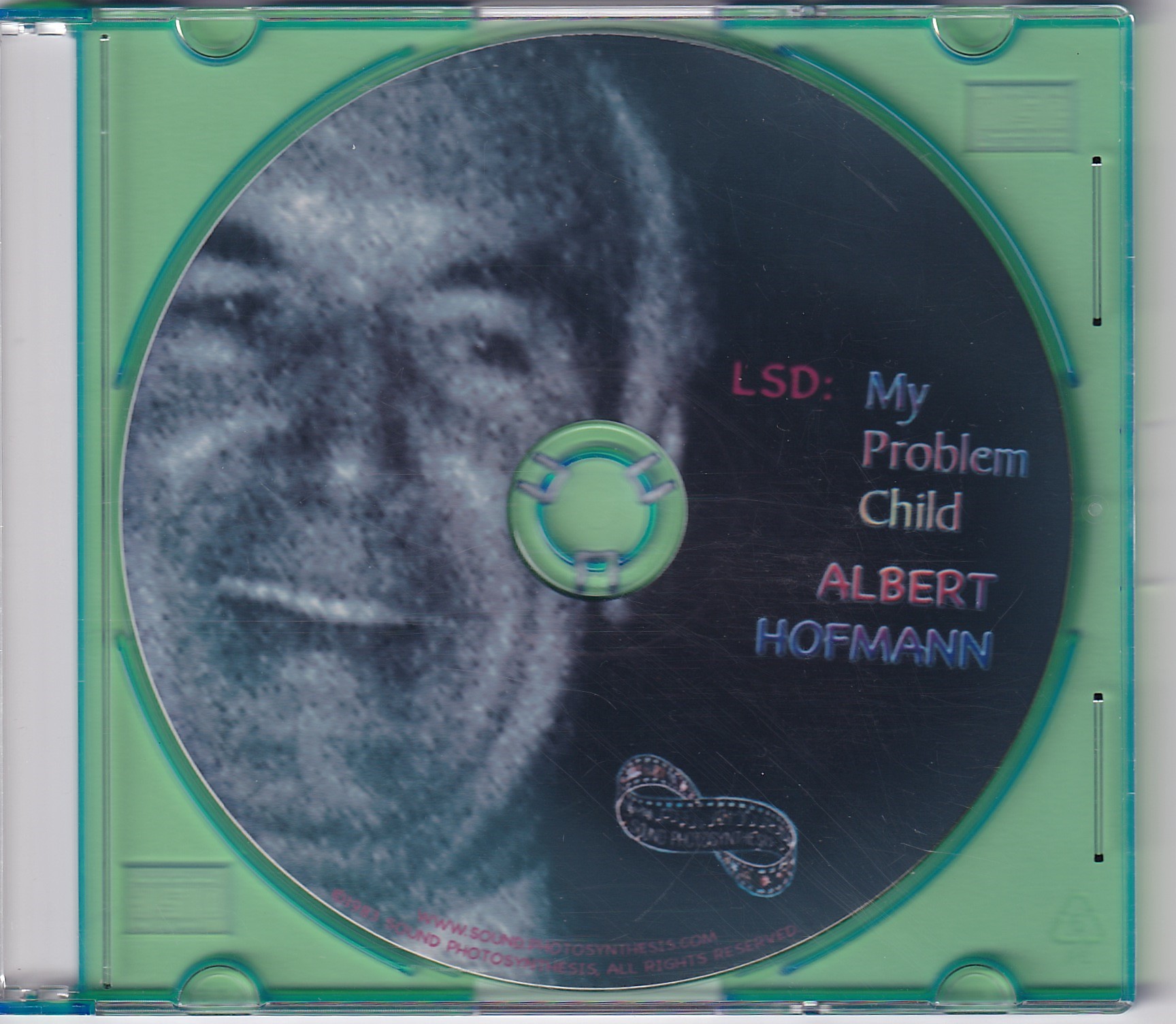
Hofmann was also the first scientist to identify, create, and name the primary hallucinogenic mushroom compounds, psilocybin and psilocin. He later wrote the book “LSD: My Problem Child” and in the early 1980s recorded a lecture, in English, of the same name. He referred to LSD as a “sacred drug” and continued to use it personally throughout his life. On his 100th birthday, Hofmann said in a speech “It gave me an inner joy, an open mindedness, a gratefulness, open eyes and an internal sensitivity for the miracles of creation…I think that in human evolution it has never been as necessary to have this substance LSD. It is just a tool to turn us into what we are supposed to be.” Hofmann died April 29, 2008 at the age of 102.

Albert Hofmann – LSD: My Problem Child (1983) This was a lecture by Hofmann in English at the Psychedelics and Spirituality Conference II in Santa Barbara, California on May 13-14, 1983. It initially was offered by cassette, but I was able to obtain a CDr copy sometime around 2008. Also speaking was Humphrey Osmond, 30 years to the day that he administered mescaline to Aldous Huxley.
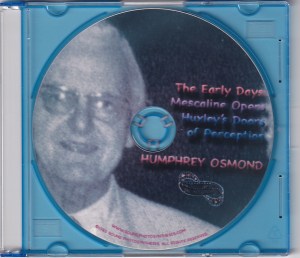
Humphrey Osmond – The Early Days: Mescaline Opens Huxley’s Doors of Perception (1983) Lecture at the Psychedelics and Spirituality Conference II in Santa Barbara, California on May 13-14, 1983 by the man who coined the term “psychedelic” in 1956. Among those speaking at the conference besides Hofmann and Osmond were Ralph Metzner, Terence McKenna, and Andrew Weil. In attendance but not speaking were Timothy Leary, Joan Halifax, Kathleen Harrison McKenna, Peter Stafford, and many other scientists, psychologists, and spiritual leaders. The conference speakers were recorded, and a complete six audiocassette package was available, as well as each individually. I obtained CDr’s of both Hofmann’s and Osmond’s talks from the same source offering the cassettes.

The CIA and MKULTRA

LSD was first synthesized just a month before scientists succeeded in nuclear fission. The first LSD trips by Hofmann occurred just a month before designs were developed for the first atomic bomb. As war seems to corrupt many things, so it goes with mind-altering drugs. Japan, Nazi Germany, the US, and the USSR military and intelligence took an interest in the use of such drugs for the purpose of mind control and biological warfare. In the US, the CIA was officially sanctioned in 1953 with the creation of the secret program now known as MKULTRA. Only those involved at the CIA knew about this mind control program until it was investigated by Congress in the 1970s. The public was clueless, yet they were often the guinea pigs in this later-declared-illegal program. Techniques included dosing unsuspecting as well as volunteer subjects with LSD and other hallucinogens, electroshocks, hypnosis, sensory deprivation, isolation, verbal and sexual abuse, as well as other forms of torture. It was conducted in colleges, hospitals, mental institutions, and prisons in the US and in Canada (with the Canadian government’s blessings.) Some of the cruelest practices were conducted by the US in Canada. Wherever these experiments were conducted some died and others were permanently scarred as a result. The program was supposedly ended in 1973 but some have claimed it never ended. In fact, there is evidence from 1974 that some experiments continued at various US college campuses with unsuspecting students.

From 1959 through 1962 Harvard University participated in these CIA MKULTRA experiments, under the guise of being run by Harvard’s Department of Social Relations, headed by psychologist Henry A. Murray. One of the 22 undergraduates in the experiments was Ted Kaczynski, later known as The Unabomber. I find it interesting that many of his bombs were sent to scientists and other academicians.

In 1973, the Director of the CIA, Richard Helms, ordered all files related to MKULTRA destroyed so that Congress could not investigate. Thankfully, some documents had been misfiled and were later discovered in 1977. They provide some of what we know today, but there is still much missing from our understanding of what went on from 1953 to 1973 including the magnitude of the project and who all was involved. Most information we have comes from victims or their families and retired members of the CIA who grew a conscience.

Timothy Leary

I wrote in my last post that Timothy Leary involved professors Richard Alpert and Ralph Metzner from the Harvard psychology department in running experiments. In 1962 Leary and Alpert formed the International Federation for Internal Freedom (IFIF) to continue studies on the religious use of psychedelic drugs outside of their Harvard University research. After Leary and Alpert were fired from Harvard, they continued their “religious” experiments at Millbrook in New York. Was Leary enlisted by the CIA to conduct any or all these experiments? We may never know. We know he lived as a fugitive after being arrested several times, beginning in 1965 and continuing into the mid-70s. Nixon called him “the most dangerous man in America.” Being that Leary had a history of going rogue dating back to the late 50s were these arrests efforts to keep him quiet about the CIA experiments? Note that LSD and psilocybin were legal at the time of his first arrest. His arrest was for possession of marijuana and resulted in an excessive 30-year prison sentence, which he successfully appealed. His story involves more arrests, escapes, apprehensions, and eventually a sentencing in 1973 to Folsom Prison where he was placed in a cell next to Charles Manson. He was released early in 1976 due to his cooperation as an FBI informant regarding the Weather Underground. The government ceased their harassment after this. His interests shifted from psychedelics to cybernetics and cryogenics in the 80s and 90s.

Also noted in my last post is that Leary released his first three LPs in 1966. All three were recorded at the Millbrook mansion. Despite arrests, appeals, and escapes he continued to record three more LPs.

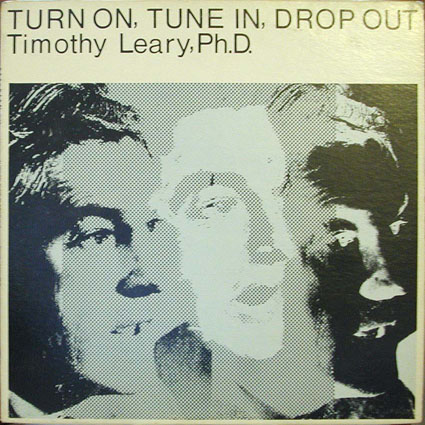
Turn On, Tune In, Drop Out Soundtrack (1967) – Not to be confused with his 1966 spoken word LP of the same title, this album is filled with music utilizing veena, guitar, and tabla in the style of the music of India but it is Westernized in a psychedelic style. The movie never received a public viewing, yet the soundtrack was a big seller. It has Leary guiding Ralph Metzner through an LSD trip, with sound effects, echo, and an eerie female voice floating in and out with various admonitions. By the end of the album, Ralph’s trip has ended. I have the CD reissue.
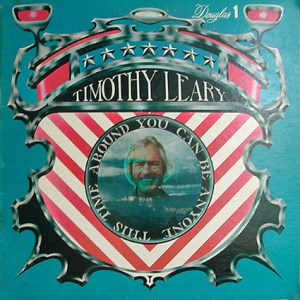
You Can Be Anyone This Time Around (1969) – This was recorded as part of Leary’s 1969 campaign for governor of California. Ronald Reagan won that election. Stephen Stills, Jimi Hendrix (on bass!), John Sebastian, and Buddy Miles were part of his back up band. The first side was taken from a Leary campaign press conference with music in the background, and the second side has Leary rapping over music on two pieces. The first is about using drugs to become anyone you want; Leary says “you can be John and Yoko this time around.” The second is about turning on to music while taking drugs and the biological effects that go on while this is happening. He also used short snippets of the music of Pink Floyd but mistakenly credits it to The Grateful Dead on the album cover. I have the CD reissue.

Timothy Leary and Ash Ra Tempel – Seven Up (1973) While Leary was a fugitive living in Bern, Switzerland in 1972, he connected with the German space rock band Ash Ra Tempel and they recorded an LP. It consists of two side-long compositions titled “Time” and “Space” respectively. Music was composed by the band, with lyrics written and partially sung by Leary. The music is typical of the space rock meanderings Ash Ra Tempel is noted for but with a little more bluesy feel than usual. This is the only recording where Timothy Leary sings. I have this on CD.

Mel Lyman

Another notorious person who participated in experiments at Harvard in 1963 was folk musician Mel Lyman. It is uncertain whether he participated in the MKULTRA experiments that may have secretly extended beyond 1962, or Leary’s experiments, or both. For years Lyman traveled through the country honing his skills on harmonica and banjo. In 1962 he spent some time in New York City and became familiar with Andy Warhol’s group at The Factory as well as the Greenwich Village folk scene before moving to the Boston area in 1963. This is where the facts get muddy. In 1963 he supposedly joined Boston-based Jim Kweskin and The Jug Band on harmonica and banjo. However, he does not show up in credits until their second album. On the first album, Bob Siggins plays banjo and Bruno Wolf plays harmonica and sings. Bruno Wolf, or Wolfe, is a pseudonym for David Simon. Both Lyman and Wolfe are credited in the band lineup when they performed at the Newport Folk Festival in 1964. Both appear on the second Jug Band album credits in 1965.

Ironically, according to Kweskin, David Simon was replaced by Mel Lyman because David had a drug habit at that time. But Lyman had been busted in Tallahassee, Florida for drugs after breaking up with his girlfriend. She had participated in LSD experiments with Mel against his wishes. As he had anticipated it messed her up, and she freaked out and moved back home to Kansas. At Lyman’s sentencing he was to either get a regular job or go to jail. So, he joined the Kweskin Jug Band. It is hard to believe that Kweskin didn’t know Lyman’s drug or arrest history.

From everything I have read Mel had been using morning glory seeds and LSD long before joining the Jug Band and was a firm believer in the benefits of hallucinogens. Later he began to believe he had a higher divine calling and that maybe he was God. He formed a cult-like community in 1966 known as the Fort Hill Community, and members were referred to as The Lyman Family. According to former members he ruled the community with an iron fist, hated hippies, and demanded male members wear their hair short and women dress conservatively, and all were to serve him as some divine avatar. They published a newsletter called Avatar.

Neither the Kweskin Jug Band’s 1963 LP nor subsequent releases show any indication of hallucinogenic influence. However, there were three albums where The Lyman Family was credited in some respect and while there are no lyrical references to drugs, and no “psychedelic sound effects,” the mood of the albums could be the result of mind-altering substances. The last of the three albums was not released until 2002 on CD but supposedly was recorded in 1970 and has a dreamy, almost depressed spiritual bluesy feel. My impression is that this album sounds like the band was on Quaaludes. No credits of performers are given other than Mel Lyman and “The Lyman Family.”

Two notable members of the Jug Band were Geoff Muldaur and Maria D’Amato. Maria joined for the second Jug Band album and married Geoff (divorced in 1972) and later had a successful solo career as Maria Muldaur. Jim Kweskin and Geoff Muldaur continue to perform as an acoustic duo. I met them a few years ago when they performed at the Adams Avenue Unplugged festival in San Diego.

Mel Lyman disappeared in the late 70s and the Lyman Family announced in the early 1980s that he had died in 1978. Other accounts say he died in 1980. Some say he took a drug overdose; others say his body simply vanished. It is still a mystery. Mel Lyman and The Lyman Family had a colorful but notorious history. A Rolling Stone two-part series said the group was somewhat like the Manson family except for the murders. There was a bank robbery in the 70s that was attributed to Family members, and there were reports of mind control, and mental and physical brutality in the group. The group still exists as a sophisticated construction company and founding members claim the Rolling Stone articles were an exaggeration with many untruths. There are many Mel Lyman stories that are only tangential to this post, but there is plenty of information about his music career and The Lyman Family on the Internet.

And what about David Simon? Because of similar looks and musical style, he was often mistaken for Norman Greenbaum, famous for the 1969 hit “Spirit in the Sky.” Greenbaum had previously led Dr. West’s Medicine Show and Junk Band from 1966 through 1968, famous for the minor hit “The Eggplant That Ate Chicago.” It is confirmed Greenbaum and Simon are not the same person. Simon got into macrobiotics and scientology. He became a naturopathic herbalist trainer and researcher. He was supposedly influential in the Incredible String Band members converting to scientology. David died in 2014. Greenbaum also got out of music for a while but now he is again performing.

The group, Jim Kweskin and The Jug Band, had an original sound but based on good-time music in the folk and blues tradition. While it never had any hit songs, it was immensely influential in the creation of jug bands around the country that soon evolved into The Grateful Dead, Country Joe and The Fish, and The Lovin’ Spoonful.

The following is a list of significant Lyman-related albums. Unlisted here is the Jim Kweskin & The Jug Band CD, “Greatest Hits!” which I purchased when meeting Jim Kweskin and Geoff Muldaur. I obtained their autographs on the inside cover at that time. Jim thought I was younger than I am, a bit in disbelief when I told him I had heard them back in the 60s via a friend whose older brother had one of their albums. I first heard them in late 1967 or early 1968 in my high school freshman year.

Jim Kweskin and The Jug Band – Unblushing Brassiness (1963) The first album by this band. This was before Mel Lyman and Maria D’Amato joined. David Simon, under the pseudonym Bruno Wolf played harmonica and sang. Bob Siggins was on banjo. Fritz Richmond played jug and washtub bass. Geoff Muldaur was on mandolin, guitar, and vocals. I have this on CD.

Jim Kweskin and The Jug Band – Jug Band Music (1965) Here the band is credited with both Bruno Wolfe (note the added “e”) and Mel Lyman as well as Maria D’Amato. It is assumed that Maria joined some time in 1963 or 64 before the Newport Folk Festival of 1964 since she is part of the band at that event. Siggins was replaced by Bill Keith on banjo. So, the band at that point was Kweskin, Muldaur, Lyman, Wolfe (Simon), D’Amato, Keith, and Richmond. I don’t have this.

Jim Kweskin and The Jug Band – See Reverse Side for Title (1966) Here the band loses Bruno Wolfe and Maria is now credited as Maria Muldaur. Mel Lyman is in the fold on harmonica. This indicates that the songs were recorded in 1965 before the Newport Folk Festival that year, because it is said that Lyman’s last appearance with the Jug Band was at that Festival. I don’t have this.
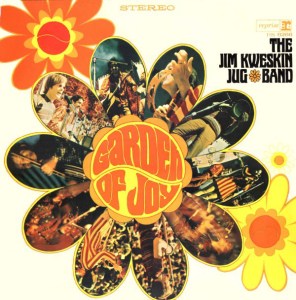
Jim Kweskin Jug Band – Garden of Joy (1967)  The name changed slightly, and a drummer and viola/violinist are added. Mel Lyman had left by then. The band soldiered on until May 1968 when they did their last show. Geoff and Maria Muldaur then headed to Woodstock, New York and recorded two LPs together. The surviving members of the band reunited in 2013 for a 50th anniversary reunion tour. Mel and Fritz had died, so the surviving four: Kweskin, Geoff, Maria, and Bill Keith were the 2013 touring unit. I have this on a CD that also contains the Jim Kweskin’s America album.

The Lyman Family with Lisa Kindred – American Avatar (1969) According to Lisa Kindred, this was supposed to be a Lisa Kindred album called “Kindred Spirits”. It was recorded in 1964. Lyman plays harmonica and produced the album, and band members included Jim Kweskin and Geoff Muldaur from the Jug Band. Others credited were Bruce Langhorne and Terry Bernhard.  Lisa shelved the project because she did not like the mix. So, five years later Lyman decided to take the recording and remix to put Lisa’s voice in the background. He released it as by The Lyman Family with Lisa Kindred. Lyman originally wanted to call the album “Love Comes Rolling Down” but then changed it to “American Avatar.” Ten years later Lisa learned that it had been released and was furious but did nothing about it. The music is deliberately slow and soft, with harmonica in the foreground rather than the vocals. It is unlike the Jug Band sound, more a mellow spiritual and folk blues. I have this on CD.

Mel Lyman and The Lyman Family – Birth (1970) This album was not released until 2002. It has no credits except Mel Lyman and The Lyman Family. I suspect that this was recorded sometime around the 1964 recording of the Lisa Kindred album with the same people and that the 1970 date is given due to the release of American Avatar being 1969. The female vocals sound like Lisa Kindred and Maria Muldaur, which supports my suspicion. There is no percussion. The music is mostly blues and spiritual covers, similar to the Kindred album. Everything is slowed down to the point that makes one feel restless for the tempo to pick up. But it never does. I have this on CD.

Jim Kweskin – Richard D. Herbruck Presents Jim Kweskin’s America Co-starring Mel Lyman And The Lyman Family (1971) Here is a whole new lineup. All Jug Band members are gone, except Kweskin and Lyman, and a new set of performers are credited. In the liner notes, Kweskin defers to Mel Lyman as being the creative power behind the album and comes close to declaring Lyman to be the savior of the world. The sound is unlike the Jug Band. It is folk blues and spiritual, and some Americana standards; a bit more upbeat than the other two Lyman Family releases. I have on CD; see Garden of Joy above.
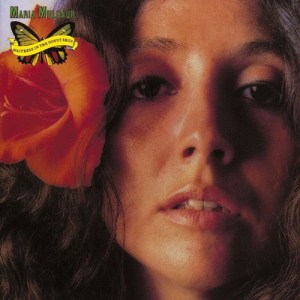
Maria Muldaur – Waitress in A Donut Shop (1974) This followed Maria’s first solo LP release from 1973 that contained the hit “Midnight at the Oasis.” For this she is backed by a big band on most songs. Lots of swing jazz and folk standards. After the success of the first LP she was able to gather some of the top folk, jazz, and Black spiritual artists in the business for this outing. I have this on both LP and CD.

Ken Kesey

In the late 1950s Ken Kesey became a graduate student in creative writing at Stanford University. Sometime in the early 60s psychology graduate student, Vik Lovell, who knew Richard Alpert and Allen Ginsberg, invited Kesey to volunteer to take part in psychology department sponsored experiments at the Menlo Park Veterans’ Hospital where Kesey worked nights as an aide. These experiments turned out to be part of the CIA’s MKULTRA project but that was unknown until a decade later. Kesey agreed to be a guinea pig, as it would provide him with some extra cash. The experiments included administering various hallucinogens and cocaine to the volunteers to study their effects. As a result, Kesey became an advocate of the use of these drugs.

After graduation from Stanford, Kesey wrote One Flew Over the Cuckoo’s Nest which was published in 1962. The book’s inspiration came from his work at the Menlo Park Veterans’ Hospital. All the while, Kesey continued to participate in the drug experiments to supplement his income. After the book’s success in 1963, he purchased a ranch in La Honda and moved there, just fifteen miles west of Stanford University. He began to have parties inviting various bohemian types he met while at Stanford, including Neal Cassady and Ken Babbs. This group became known as The Merry Pranksters.

In 1964 after completing his next novel Sometimes a Great Notion, Kesey’s publisher required his presence in New York City. So, Kesey purchased a bus and the Merry Pranksters helped him prepare it for the trip. They painted, wired for multi-media, provided for sleeping areas, and provided for an observation deck on top of the bus. The entire group then headed for New York in the bus, now christened “Furthur,” (spelling later corrected). There were several stops along the way to visit friends. The trip was filmed, and audio taped. The audio focused on the wild raps by Neal Cassady, who drove. After going to New York City, they stopped by Millbrook to see Timothy Leary and Richard Alpert at the invitation of Allen Ginsberg. They then headed to Canada and eventually back to La Honda, California. Journalist Tom Wolfe, who documented the trip in The Electric Kool-Aid Acid Test was not on the bus but used the videotape Kesey filmed during the trip as the material for his book.

After their return, the parties continued, and involved the consumption of LSD and other hallucinogens, while experiencing sensory bombardment by multi-media and live music supplied by the Anonymous Artists of America and The Warlocks (later renamed The Grateful Dead.) These parties began to be called “acid tests” and were totally unstructured events. In 1965 Kesey began hosting these acid tests at various locations in the Bay area but also in other western US cities on into early 1967. He had many of them recorded from late 1965 through 1966. Sound engineer and supplier of the LSD was local chemist, Augustus Owsley Stanley III (aka Owsley, aka Bear). Bear became the official sound engineer for The Grateful Dead for many years. The best description of these acid tests would be to think of a regular party of young adults talking and laughing, with a live band performing as well as someone playing with echo and sound effects with a microphone plugged into a sound board and with an elaborate PA system, plus multi-media and wild lights. Then imagine all these people high on various substances. That is exactly what it was when you hear recordings of these events.

Kesey was busted for marijuana possession in 1965 (sound familiar?) and faked suicide, fleeing to Mexico. The acid tests that were held while he was in Mexico were held in the Los Angeles area and were led by Ken Babbs and Wavy Gravy (Hugh Romney). He snuck back into the US eight months later and continued his acid tests. In January 1967 he was sentenced to six months jail time at the San Mateo County jail in Redwood City. Two days after sentencing he was arrested again for smoking marijuana. A final acid test was held at Rice University in Houston, Texas on March 16, 1967 and hosted by Kesey and Babbs friend Larry McMurtry (novelist and father of present-day Americana/folk rock singer-songwriter James McMurtry). Kesey began his sentence in May 1967. After his release he moved to the family farm in Pleasant Hill, Oregon and spent the rest of his life there, continuing his writing and operating Key-Z Productions until his death in 2001.

Kesey-related recordings

Neal at the Wheel: Neal Cassady driving Further into NY on the NJ Turnpike June 25, 1964, Parts 1 & 2 – In the late 90s Kesey edited audio tapes of the trip to New York on two CDrs, which I was quick to purchase when they were made available. Audio is not top quality as the sound of the bus and traffic sometimes drowns out Neal Cassady’s raps. It is more of historic significance giving an audio account of what it was like being on the bus and listening to Neal.

The Acid Test – the official LP released in 1966 on Sound City Productions, and 2005 on Acadia label CD, was of the Sound City Acid Test of January 29, 1966 in San Francisco at Sound City Studio. I only have the CD.

The Acid Test, Volume 1 – Issued on CD in 1998 on the King Mob label in the UK and is probably a bootleg. This is the Sound City Acid Test that was released on LP in 1966 but it wrongly states that the event was in 1965. This CD includes additional material from “Red, White and Blue Meet the Black, Vietnam Day 1966” (which happened October 16, 1965). Ken Kesey reissued it on CDr in 1999 with the same date errors and liner notes. Both issues are credited to “Ken Kesey, Ken Babbs, and The Merry Pranksters.” I have both.
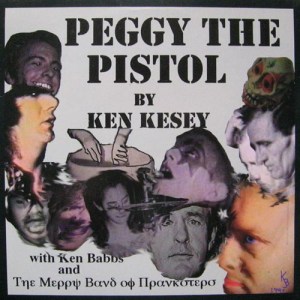
Hogs are Coming b/w Peggy the Pistol – credited to “Ken Kesey with Ken Babbs and The Merry Band of Pranksters.” This was a seven-inch 45 rpm issued in 1997. The two selections come from the Sound City Acid Test LP. I have this and burned it to CDr.

Excerpts from The Acid Test – Issued in 1966 on the Sound City label as a radio station promo on a seven inch 33 1/3 rpm. The selections taken from the Sound City Acid Test LP and slightly edited in places. Extremely rare and I do not have this.

The Acid Test, Volume 2 – CDr issued by Ken Kesey in 1999 of the San Francisco State Acid Test on October 1, 1966. This version is the longest version of this acid test available. Issued with both color and black and white covers. Mine is black and white.
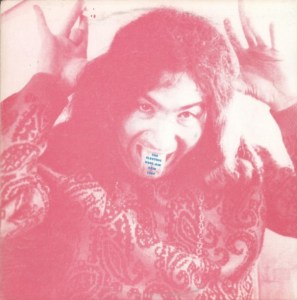
The Electric Kool-Aid Acid Test (1988) – This was a bootleg LP, supposedly issued in Sweden, but now thought to have originated in the US. This is a unique version of the San Francisco Acid Test of October 1, 1966. This LP says October 1 & 2, 1966, which may be more accurate if the event began the evening of the first and into the morning of the second. This recording has excerpts inserted at the beginning and end of each LP side that originated from a television interview by Tom Snyder with Ken Kesey and Jerry Garcia. The program was NBC’s Tomorrow Show and the date was May 7, 1981. The full interview can be seen on YouTube. I have this LP and burned a copy to CDr.

The Acid Test Reels – This is a set of downloadable files that have been available on the Internet, mostly from sites dedicated to archiving Grateful Dead related recordings. Each volume fits on an 80-minute CDr. There are now six volumes. It had begun as a three-volume set exclusively of recordings made during various acid tests but has expanded with three more volumes to include recordings that are related to the acid tests.

The following gives a description of what is found on each volume:

Volume 1 – The Fillmore Acid Test, Fillmore Auditorium, San Francisco, January 8, 1966

Volume 2 – The Pico Acid Test, Danish Center, Los Angeles, probably March 19, 1966; and The San Francisco State Acid Test, Whatever It Is Festival, San Francisco State University, October 2, 1966

Volume 3 – The San Francisco State Acid Test (continued), Merry Prankster Sound Collage Sequence, and End of Whatever It Is Festival, all from October 2, 1966; and Acid Test Graduation Jam, Winterland, San Francisco, October 31, 1966

Volume 4 – Related Recordings: Neal Cassady & The Warlocks, 1965; Neal Cassady Raps excerpt from Straight Theater, Haight Street, San Francisco, July 23, 1967; Jerry Garcia from Acid Test audio, 710 Haight Street House, San Francisco, Summer, 1967; Jerry Garcia one hour interview circa 1967

Volume 5 – Supplementary #1: The Watts Acid Test, Youth Opportunities Center, Compton, February 12, 1966; and Pico Acid Test expanded version, Danish Center, Los Angeles, March 12, 1966

Volume 6 – Supplementary #2: San Francisco State Acid Test and Kesey/Garcia Interview on Tomorrow Show, May 7, 1981. This is an exact copy of the 1988 bootleg LP mentioned above.

Neal Cassady Raps (1967) This is a 10-minute version of the June 23, 1967 recording excerpted on Volume 4 of the Acid Test Reels above. Sold as a seven-inch flexi disc to accompany “The Dead Book: A Social History of The Grateful Dead” by Hank Harrison in 1973. Cassady was live onstage with The Grateful Dead. Recorded before he left for Mexico. He returned briefly only a couple more times before going back to Mexico where he died in 1968.

Neal Cassady – Drive (1965) Two CDs of these tapes were released by Kesey in 1999. Cassady was recorded by Kesey and Mountain Girl on the La Honda ranch, while sitting in a Plymouth station wagon rigged with earphones, microphone, and a “girlfriend” (so he had someone to rap to) with music provided by Robin and the Hoods in one ear and engine sounds in the other. He was taped from midnight until dawn. The music is often mistaken to be The Warlocks.

That concludes this post. I am exhausted. I am sure you are too if you read the whole thing.

Thanks a lot; see you later.
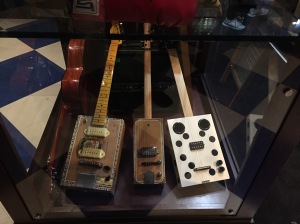
Like a Fresh of Breath Air

“Ooo, have another hit of fresh air, ooo, have another hit”

From the song, “Fresh Air” by Chet Powers (aka Dino Valenti, aka Jesse Farrow) on the Quicksilver Messenger Service LP “Just for Love,” 1970

I just kicked my Facebook addiction by closing my accounts and removing the app from all my devices. What this means is that Facebook is not where you go to find out if I have added a new post here. While I do not use Twitter, I still have an account there and if you have an account you can find me there if you link to mine. I am under my birth-given name on Twitter. You can also find my Twitter posts via my Twitter handle, @7st0nes. The only thing I post on Twitter is when I have a new entry here.
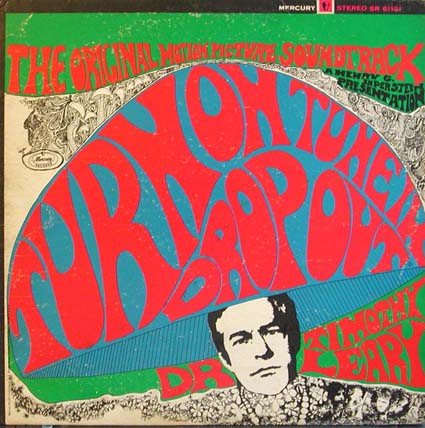
I feel great after getting rid of Facebook. For the past few years, it has been a love-hate relationship. And now it feels like a breath of fresh air to be rid of it. It used to be the way I kept up with the local music scene and my friends around the country but now I know other places where I can go to find out who is playing at my favorite venues and where my favorite artists are performing. Facebook made it easier, but that is okay; I can find my way around without it. And people who want to keep in touch can do so by contacting me via email or phone. If they did not take me up on my request to ask me for contact info in Messenger before I pulled the plug, then it was not important to them, so it should not be important to me either.
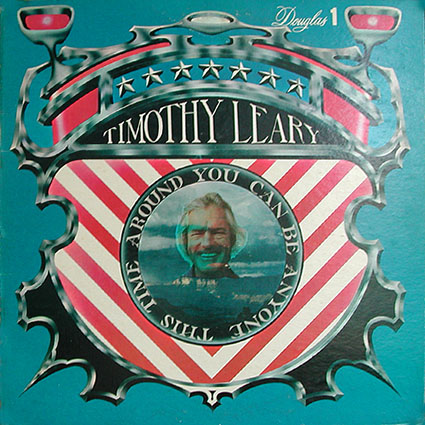
Recently I have been immersing myself in my collection of spoken word and related recordings with themes regarding the hippie and drug cultures from the mid-fifties to the mid-eighties. These include a variety of recordings both pro and con as well as scientifically objective perspectives. I am not advocating for the use of any substance, whether it be alcohol, marijuana, or anything else. The point here is that I am a collector as well as a student of the era spanning the period from my early childhood to my early 30s. Some are of historical significance, but others are just rare and collectible.

This has been evolving as I write and will be broken into digestible pieces and may involve several posts reflecting what I have been listening to recently. So here goes:

Various Artists – Peyote Ceremonial Songs. (undated/1998) This includes recordings from Kiowa, Cheyenne, Cherokee, Omaha, and other tribes. It is noted that David Apekaun, of the Kiowa tribe, was recorded in 1953, and most others were recorded in the 1950s and early 1960s. Apekaun’s recordings may be the earliest recordings related to the use of hallucinogenic substances. The 1998 CD is from an undated LP that appears to be no earlier than the mid-1960s (based on the use of a zip code in the label address) and is subtitled “Music of the Native American Church of North America (Indian).” It is uncertain whether any of these recordings were conducted while the performer was under the influence. To the untrained listener, this may sound like many other Native American recordings totally unrelated to the use of peyote. Various Native American percussive instruments are used with singing.

Mushroom Ceremony of the Mazatec Indians of Mexico

Maria Sabina – Mushroom Ceremony of the Mazatec Indians, recorded by Gordon and Valentina Wasson in Huautla de Jimenez, State of Oaxaca, Mexico, on July 21, 1956. Maria Sabina was a curandera (witch doctor) under the influence of hallucinogenic mushrooms, in a trance state, during the recording. This recording was released in 1957. Three years later, Timothy Leary, PhD traveled to Cuernavaca, Mexico to experience the effects of these mushrooms himself. He thus began his exploration of other hallucinogenic substances through the early 1960s, bringing his colleagues at Harvard, Richard Alpert, PhD and Ralph Metzner, PhD into these explorations. On May 13, 1957 Life magazine published an article by Gordon Wasson about the use of these mushrooms in religious ceremonies by the Mazatec people. One person who read this article at the age of 11 was Terence McKenna, and I will have more to say about McKenna in a later post.

Aldous Huxley – Visionary Experience

Aldous Huxley – Visionary Experience, from a 1962 lecture addressing a Los Alamos scientist crowd where he mentions his experiences with the use of LSD and mescaline. This was volume two of a two album series with the first volume being called “Human Potentialities” with no reference to hallucinogens. These were not released until 1969.

Aldous Huxley – Speaking Personally

Aldous Huxley – Speaking Personally, from a 1961 interview by John Chandos with Huxley. There are references to the benefits of research into the use of LSD. This was not released until 1973 and later was issued as a CD. Huxley had first taken mescaline in 1953 with the assistance of psychiatrist Humphrey Osmond, M.D. This experience resulted in Huxley writing the book, “The Doors of Perception.” Osmond had been experimenting with the use of LSD and mescaline with schizophrenic patients since 1951. Osmond was the person who coined the term “psychedelic” in letter exchanges with Huxley and introduced its use in a meeting of the New York Academy of Sciences in 1956. The term stuck.

Alan Watts – Haiku (1958), Zen & Senryu (1959), and This is IT (1962) These are the first three albums by British philosopher, Alan Watts. The first two examine Asian poetry forms with Watts reading the poem followed by a brief musical interlude on Asian instruments and the reading repeated in Japanese by Sumire Jacobs. The last album is more “musical” but in an extremely broad sense of the term, with several participants playing instruments without any understanding of how to play them, as well as chanting, gibberish, and wild howling. It is a free-form cacophonous experience, and the participants may have possibly been under the influence of hallucinogenic substances. At one point one of the chants sounds like it included the acronym “LSD”. “This is IT” parallels Watts’ book, “The Joyous Cosmology”, which discusses experiences on LSD.

Gerald Heard – Re-Birth

Gerald Heard – Re-birth (1961). Philosopher, author, and historian Gerald Heard recorded two spoken word box sets containing 3 LPs each, the first in 1959 and the second in 1961. The focus in this blog is on “Re-birth”,  the last LP in the 1961 box set titled “Explorations Volume 2: Survival, Growth, and Re-birth”. The first two LPs are lectures and devoid of any reference to hallucinogens. This third LP stands out in its invoking of the Tibetan Book of the Dead and is seen as a guide for an LSD trip where the subject is initiated into the trip, symbolically dies, and is then reborn. While this also follows the process of being born again in Christianity, the close following of references from the Book of the Dead indicates Heard was not referring to Christianity. This third LP also includes ominous-sounding minor key musical interludes on church organ and occasional choral vocalists providing advice to the initiate.

This same process is noted in the 1964 book and supporting 1966 LP “The Psychedelic Experience,” by Timothy Leary, Richard Alpert, and Ralph Metzner. Later in 1966 in The Beatles album “Revolver” the song “Tomorrow Never Knows” incorporates a quote from “The Psychedelic Experience” in the lyric, “Turn off  your mind relax and float downstream.”
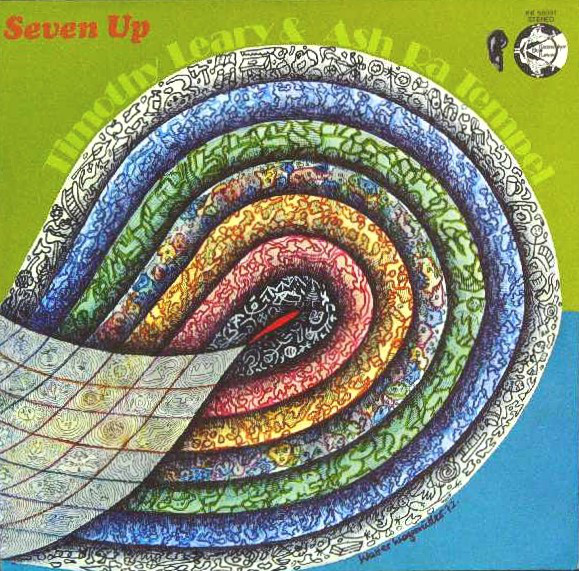
Timothy Leary, Ralph Metzner, Richard Alpert – The Psychedelic Experience

Timothy Leary, PhD, Richard Alpert, PhD, and Ralph Metzner, PhD – The Psychedelic Experience (1966) An abridged audio version of their 1964 book of the same name, this followed the same process as Gerald Heard’s “Re-birth” LP except that instead of a church organ signifying the steps in the process, there is a singular ring of a bell at each step. Leary, Alpert, and Metzner take turns reading, alternating readers with each bell ring, but with Leary doing most of the reading. This LP is not nearly as interesting as the Heard LP despite covering the same topic. Heard was a much more expressive speaker and the use of church organ and vocalists accentuated the intensity on “Re-birth”. But this 1966 LP was more important in its day since Leary and Alpert had garnered national notoriety for being fired from Harvard University in 1963 due partly to their LSD experimentation using undergraduate students. Gerald Heard’s album, unfortunately, was not widely known despite the fact that it preceded this release by five years and was the more interesting of the two.

Millbrook

After being fired from Harvard, Leary rented the old Hitchcock Estate mansion in Millbrook, New York for a dollar per year, where he and Alpert continued to explore the spiritual component of hallucinogens. They formed the Castalia Foundation to conduct this research. Visitors included poet Allen Ginsberg, jazz artists Charles Mingus and Maynard Ferguson, philosopher and author Alan Watts, psychiatrist R.D. Laing, and other curiosity seekers. In 1964 Ken Kesey and the Merry Pranksters visited Millbrook on their way from New York City to Canada in their bus “Further” driven by beat ikon, Neal Cassady. Although Kesey and company had been invited to Millbrook by Allen Ginsberg, Leary refused to meet with them, feeling that they missed the spiritual point of the Castalia Foundation’s research and that they showed disregard for the required controlled setting.

Timothy Leary, PhD – Turn On, Tune In, Drop Out

Timothy Leary, PhD – Turn On, Tune In, Drop Out (1966). This is a spoken word album recorded at Millbrook. It is where Leary coined the term calling on the youth of America to “turn on, tune in, drop out.” Here he reflects on his various experiments with hallucinogens as well as where human society should go from here. For me, Leary’s dry delivery with little emotion and long pauses between statements makes for difficult listening but it does contain a wealth of interesting ideas. It was originally released on the ESP label and the LP is quite rare, however about 10 years ago a revived ESP label reissued it on CD and finally provided me the opportunity to hear this historic release.

Dr. Timothy Leary, Ph.D. – L.S.D.

Timothy Leary, PhD – L.S.D. (1966). This is another lecture only LP, recorded at Millbrook. This lecture conceptually takes a little from his other two 1966 releases. I have both the original LP and the CD. The CD version includes extra material from a dinner party attended by Leary and G. Gordon Liddy in the late 60s and a 1967 interview referenced as “at the height of the hippie movement.” This is probably the least interesting of the Leary recordings but the extra tracks on the CD version provide a slight redemption to this rather dry album.

I think I will stop here, with some of the harder but rewarding listens. These are not recordings that you put on in the background while doing something else. They demand full attention to get the most out of them. More to come, perhaps later in the week.

I am back!!!

And what do I find? I find that WordPress has changed. It has only been a year since I’ve been here last. Pretty sad, ain’t it? But I am back. I nearly got used to using Facebook exclusively to post my music interests and now I am about ready to kick my Facebook addiction. So WordPress supposedly gives a new look and more power to the blogger. I shall see. But whatever it does, it will take getting used to. So please bear with me.

I will be expanding my interests here to include anything I find as interesting with the exception of political stuff. I will save that for ranting in my home and throwing things at my TV. So this is just a placeholder. I figure that my posts will be shorter (and hopefully sweeter) since all the time tied up with Facebook will be transferred to my blog.

It doesn’t look that different when I preview. But we shall see as time goes on. It was quite easy to figure out how to select and post a photo. This one is from 2009, at the San Pasqual South trail apex. Just picked this at random to see how this works. Popeswami is surveying his domain and declaring superiority to all onlookers…all one of them (the one holding the camera). It remains to be determined exactly how superior he is.